
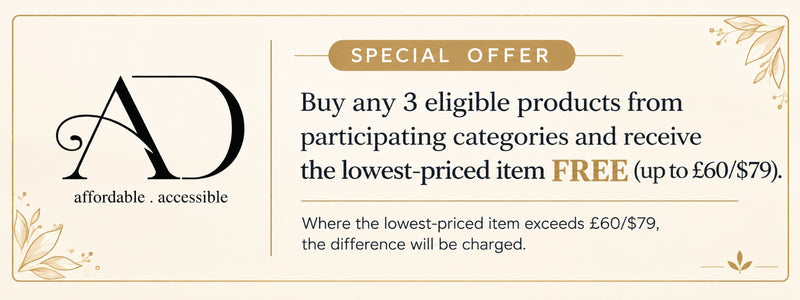
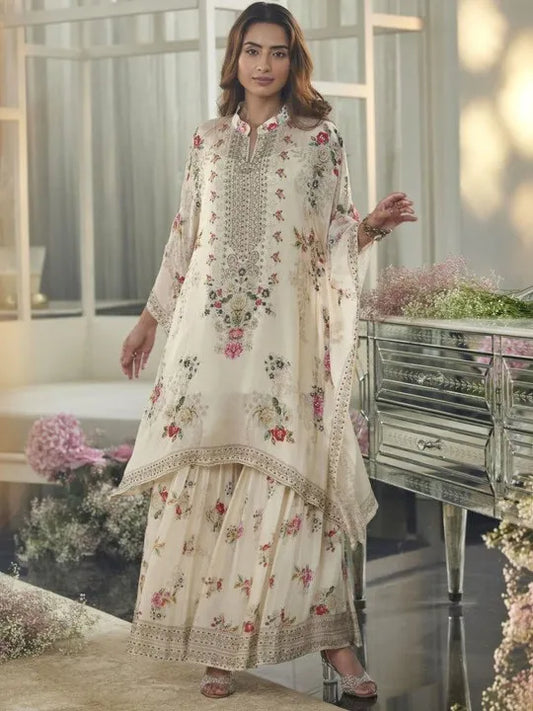
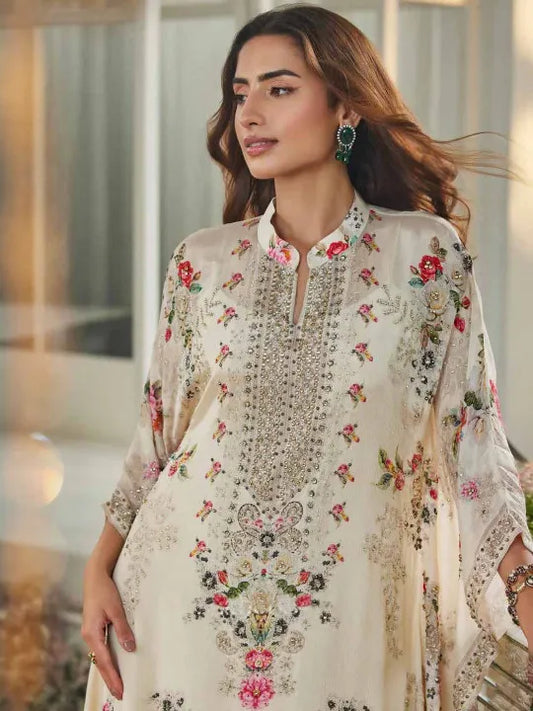
Floral Printed Mandarin Collar A-Line Kurta With Palazzos
- Regular price
- £76.00
- Regular price
-
- Sale price
- £76.00
- Unit price
- per
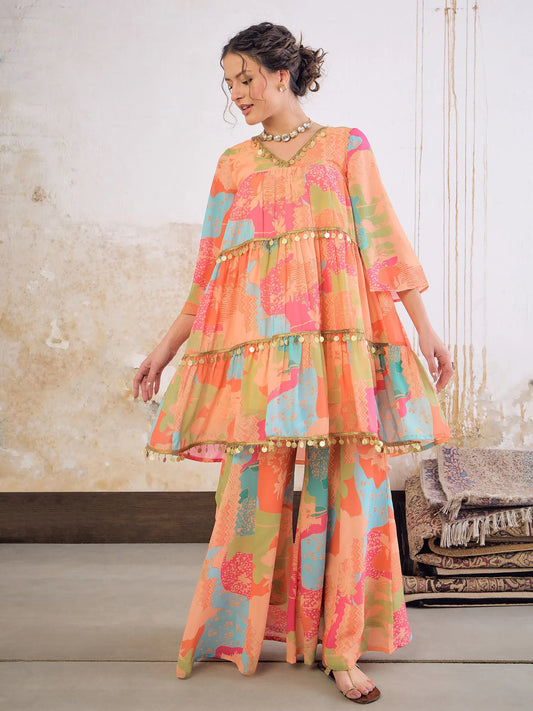
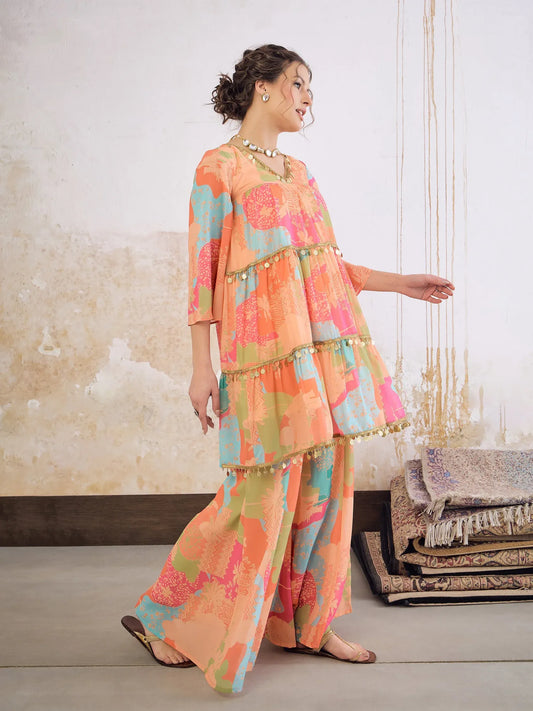
Women Orange/Green Tie & Dye Coin Lace Tired Kurta With Sharara Pants
- Regular price
- £68.00
- Regular price
-
£92.00 - Sale price
- £68.00
- Unit price
- per
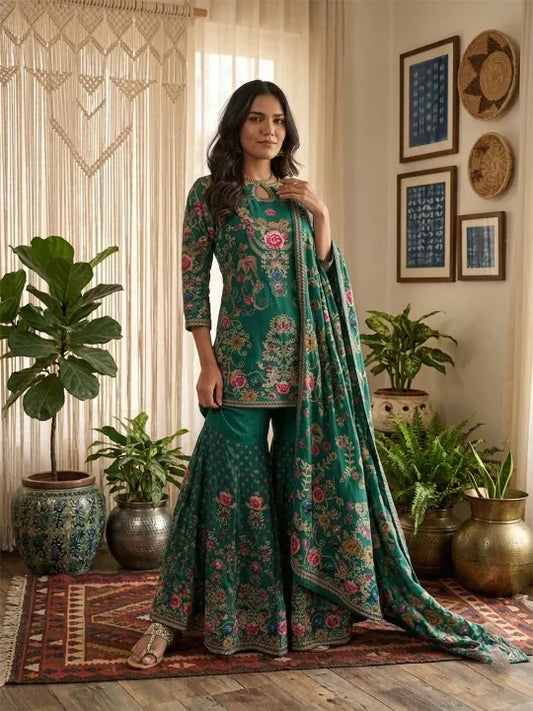
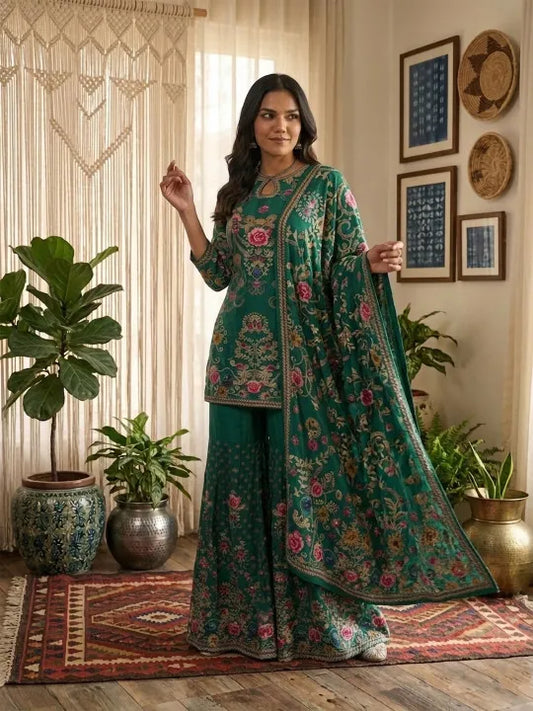
Women Ethnic Motifs Printed Silk Crepe Kurta with Sharara & With Dupatta
- Regular price
- £79.00
- Regular price
-
- Sale price
- £79.00
- Unit price
- per
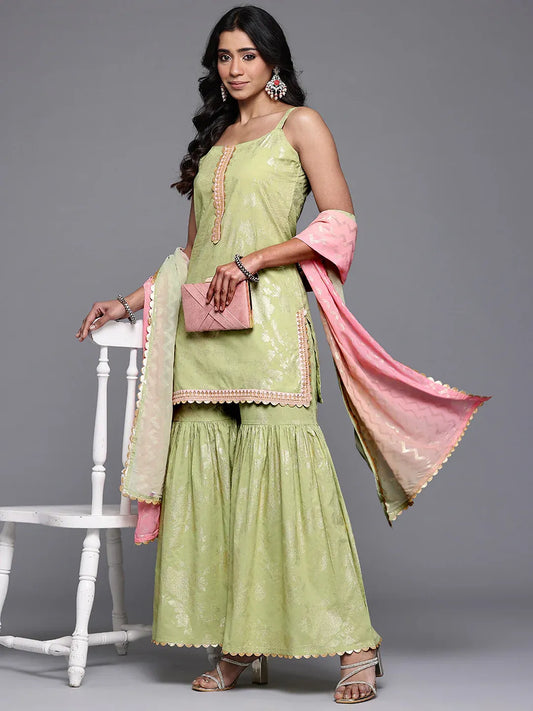
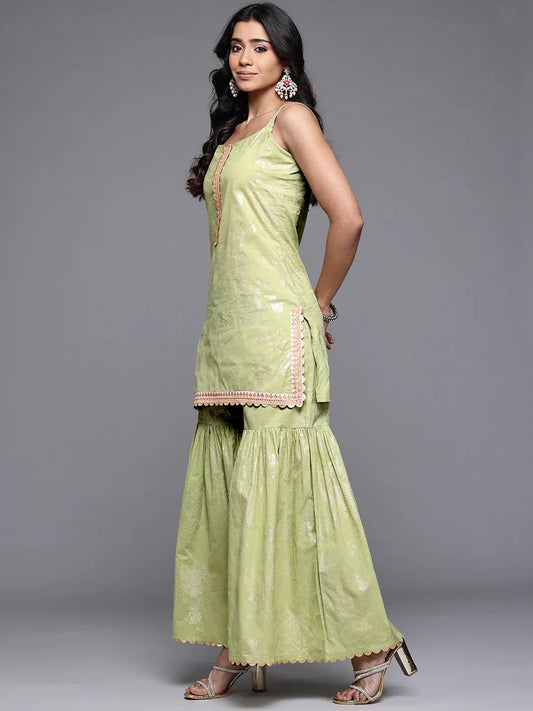
Floral Printed Gotta Patti Pure Cotton Kurti with Sharara & With Dupatta
- Regular price
- £68.00
- Regular price
-
£110.00 - Sale price
- £68.00
- Unit price
- per
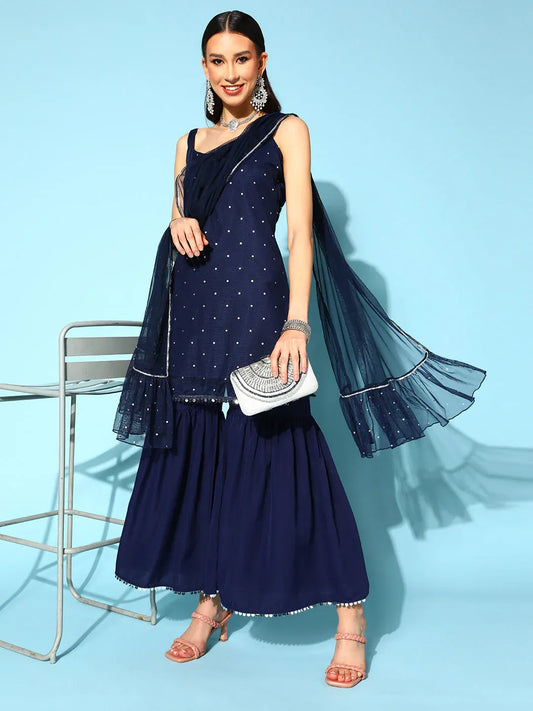
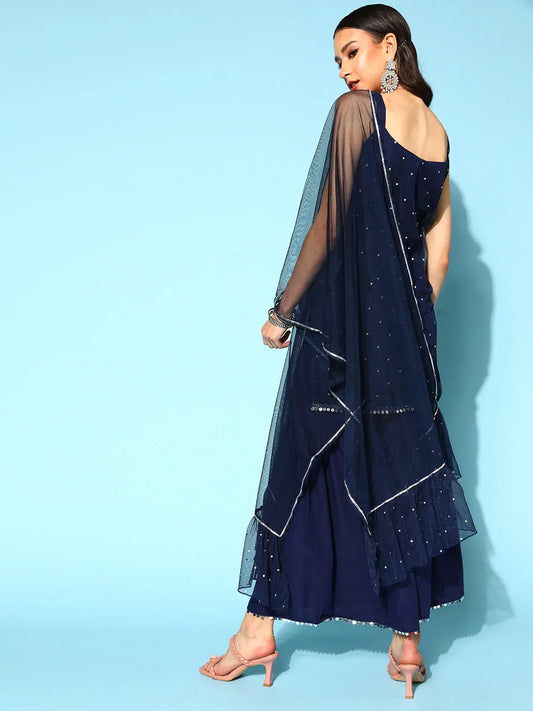
Women's Navy Blue Top to Toe Printed Fusion Sharara Sets With Dupatta
- Regular price
- £57.00
- Regular price
-
- Sale price
- £57.00
- Unit price
- per
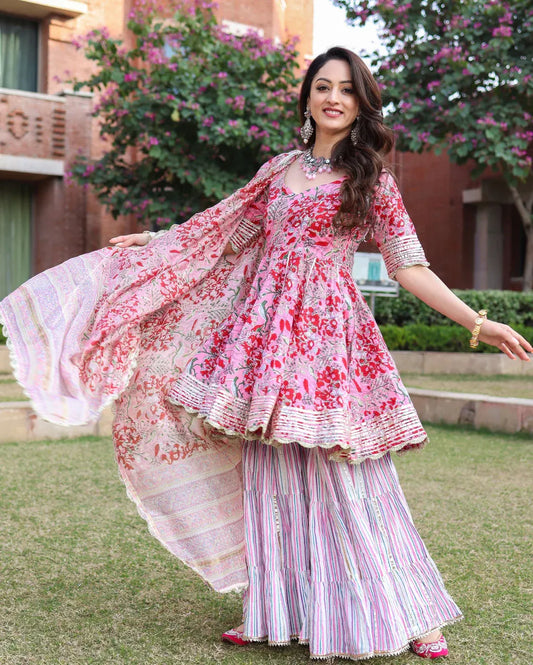
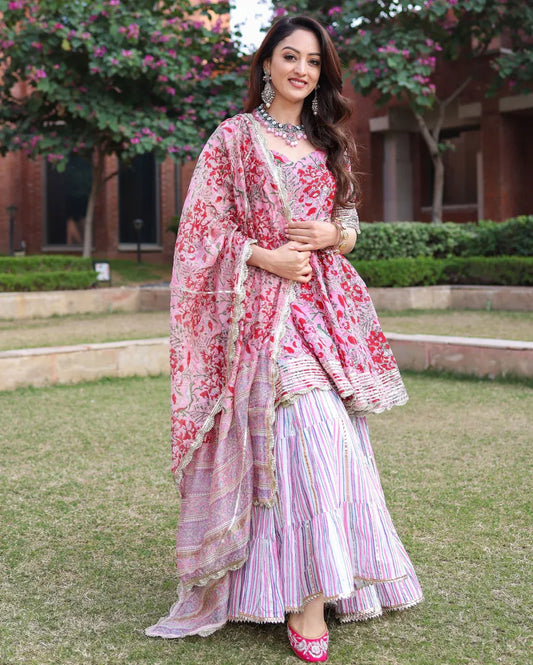
Tickled Pink Handblock Sharara Set
- Regular price
- £83.00
- Regular price
-
£110.00 - Sale price
- £83.00
- Unit price
- per
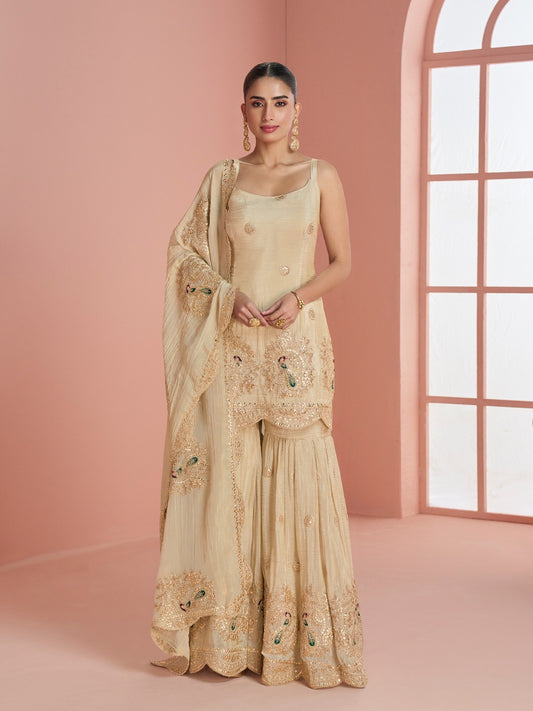
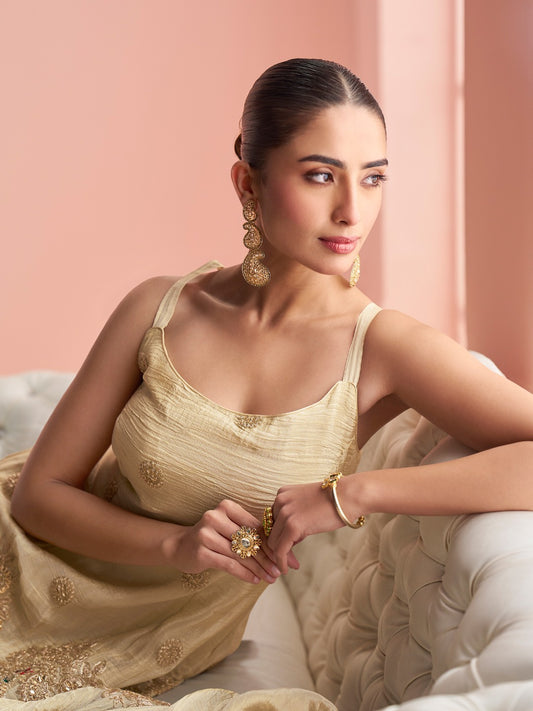
Cream Embroidered Silk Kurti with Sharara and Dupatta
- Regular price
- £88.00
- Regular price
-
- Sale price
- £88.00
- Unit price
- per
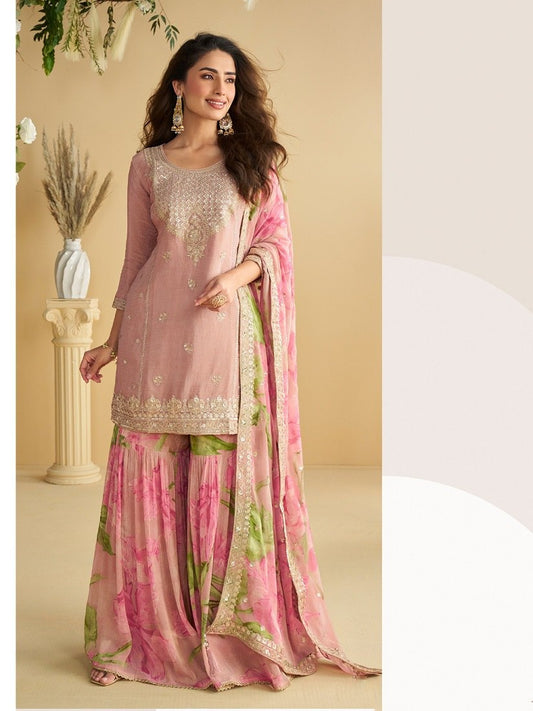
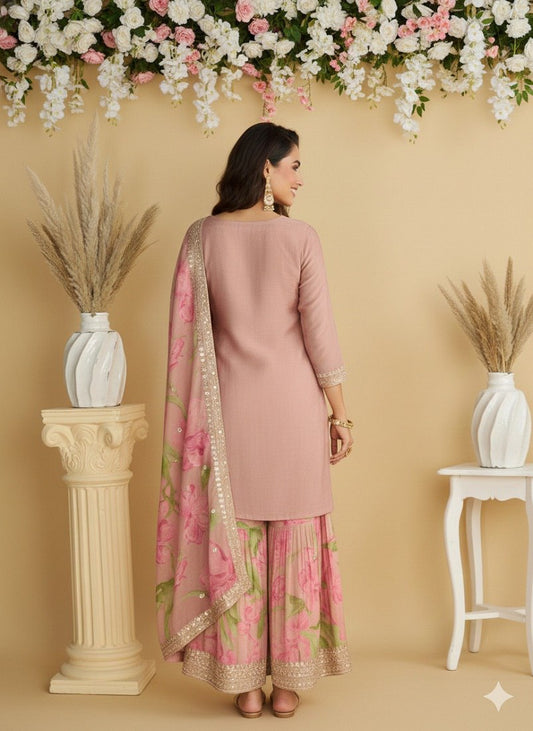
Baby Pink Chinon Silk Sharara Suit For Indian & Pakistani Wedding Festival
- Regular price
- £85.00
- Regular price
-
- Sale price
- £85.00
- Unit price
- per


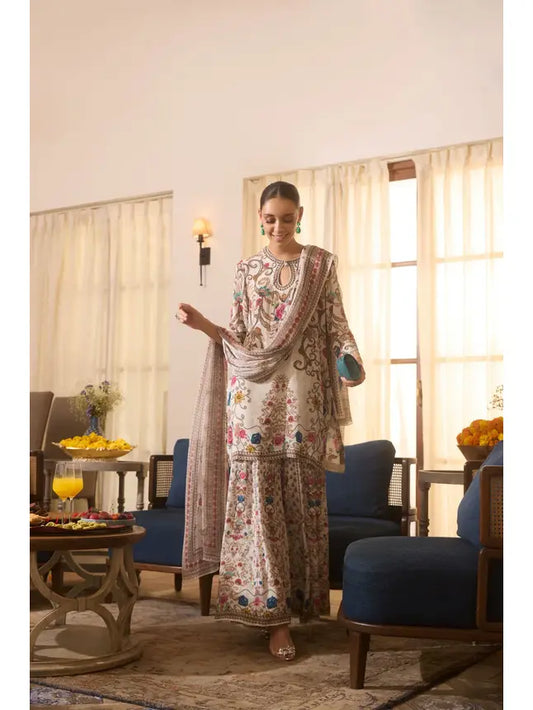
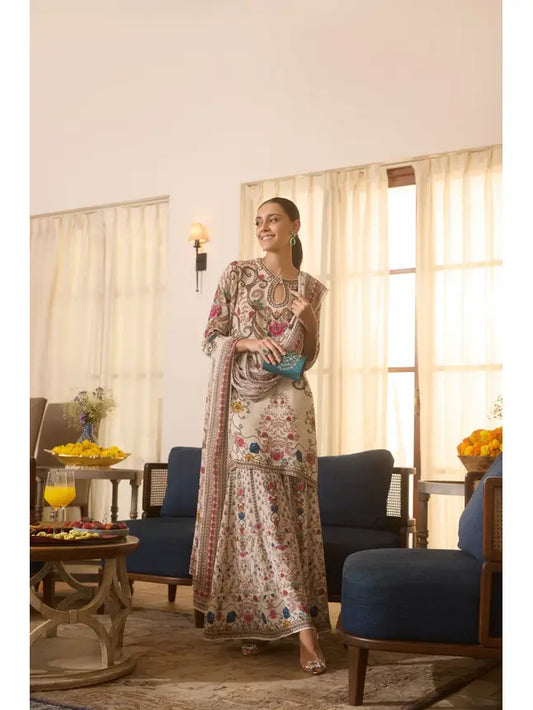
Champagne Gold Printed Crepe Silk Sharara Set
- Regular price
- £108.00
- Regular price
-
- Sale price
- £108.00
- Unit price
- per
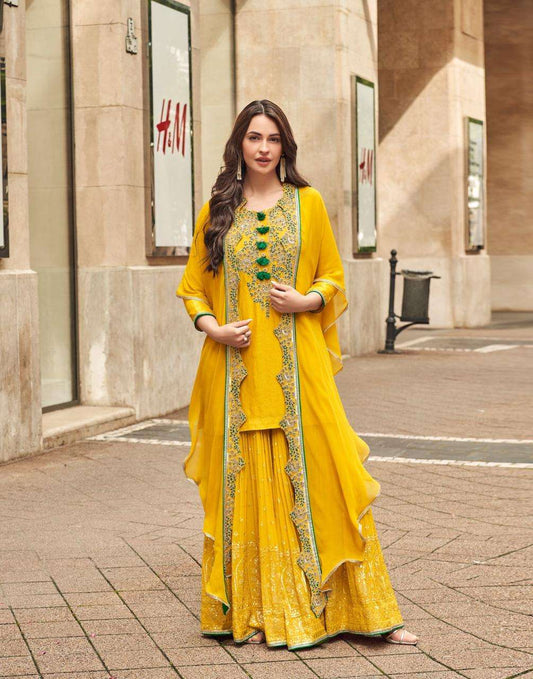
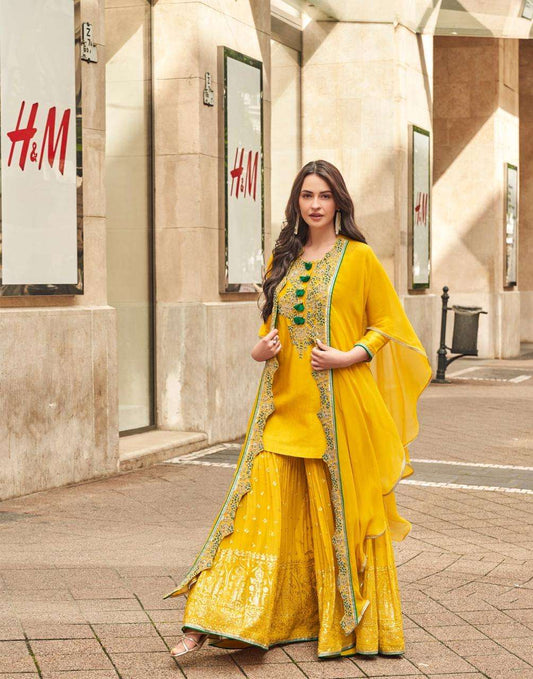
Mustard Yellow Embroidered Kurta Sharara Set with Stylish Dupatta
- Regular price
- £112.00
- Regular price
-
£199.00 - Sale price
- £112.00
- Unit price
- per
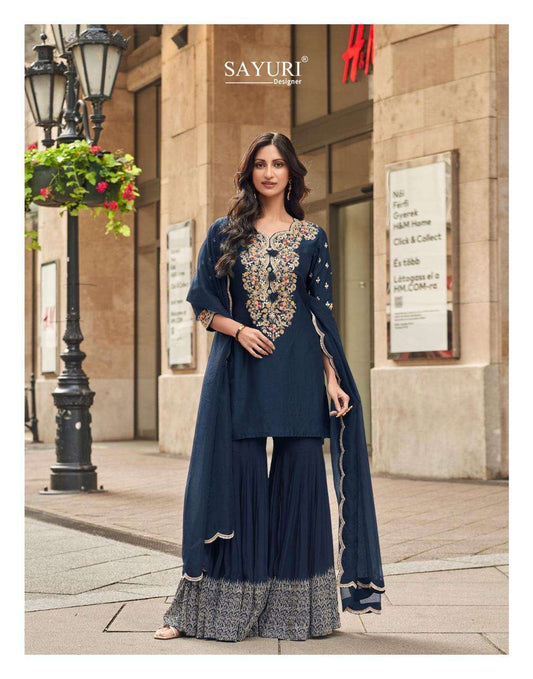
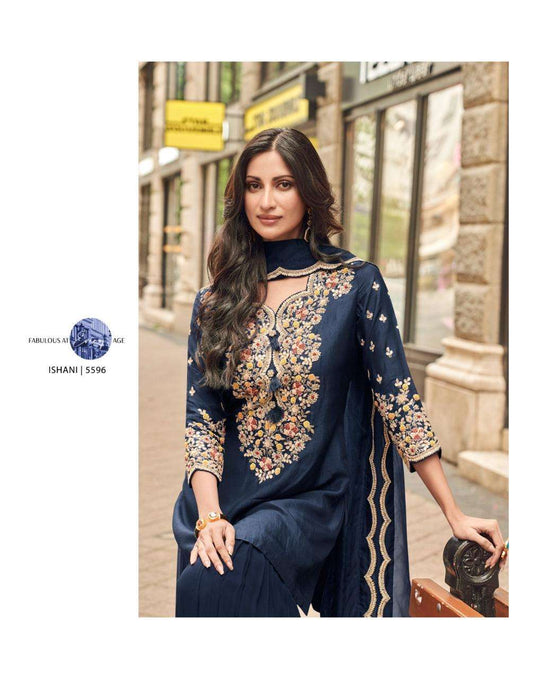
Navy Blue Embroidered Kurta Sharara Suit with Designer Dupatta
- Regular price
- £112.00
- Regular price
-
- Sale price
- £112.00
- Unit price
- per
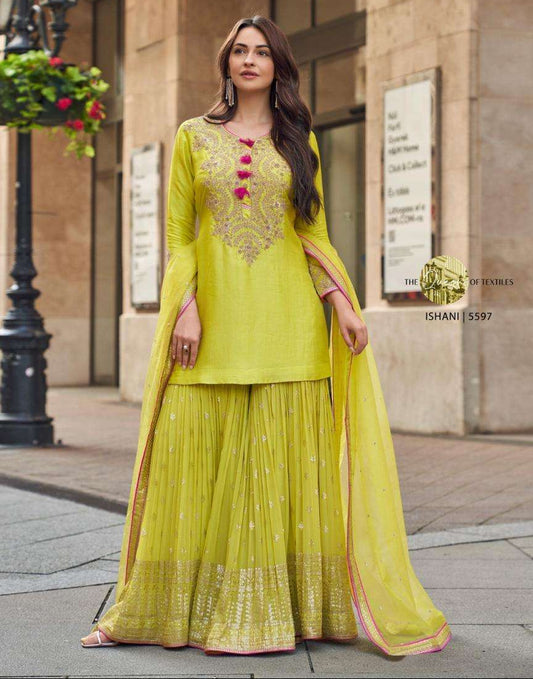
Lime Yellow Embroidered Kurta Sharara Set with Flowing Dupatta
- Regular price
- £112.00
- Regular price
-
- Sale price
- £112.00
- Unit price
- per
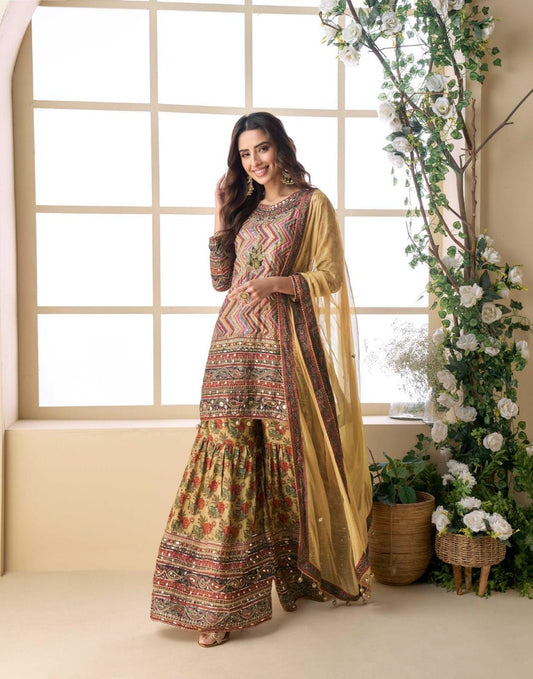
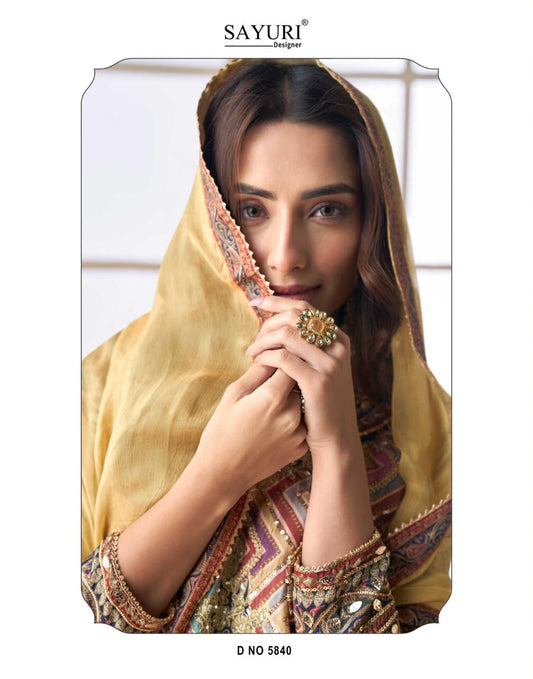
Pastel Multicolor Printed Kurta Sharara Suit with Elegant Dupatta
- Regular price
- £112.00
- Regular price
-
- Sale price
- £112.00
- Unit price
- per
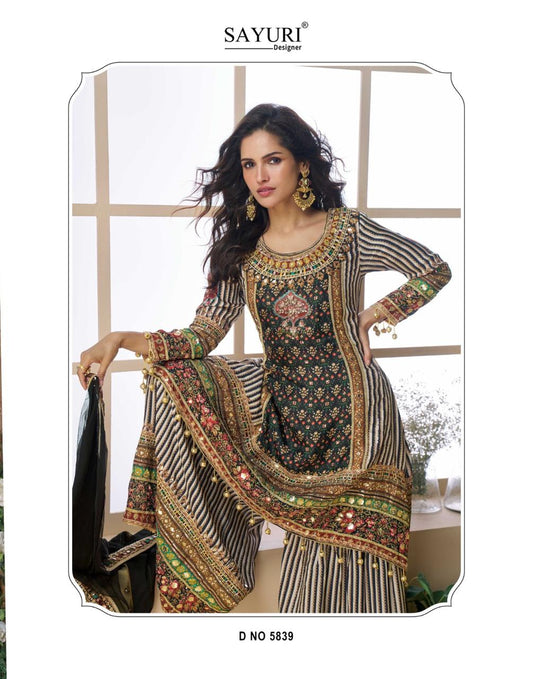
Dark Green Multicolor Heavy Embroidered Kurta Sharara Set with Dupatta
- Regular price
- £112.00
- Regular price
-
- Sale price
- £112.00
- Unit price
- per
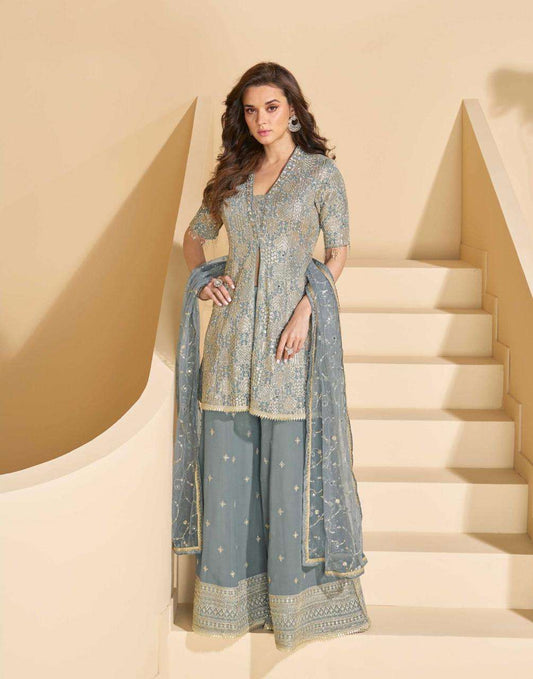
Steel Grey Embroidered Kurta Palazzo Suit with Elegant Dupatta
- Regular price
- £112.00
- Regular price
-
- Sale price
- £112.00
- Unit price
- per
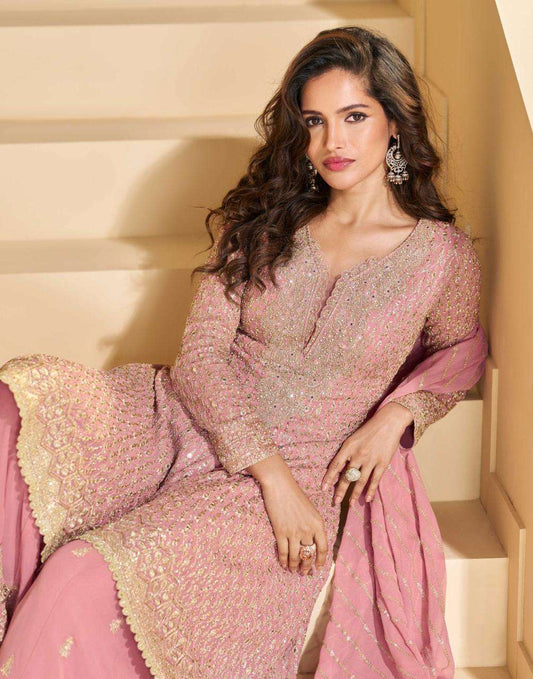
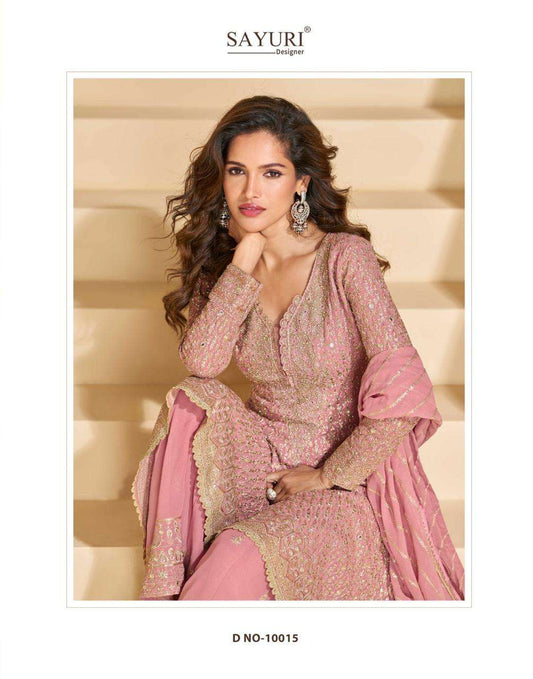
Blush Pink Heavy Embroidered Kurta Palazzo Set with Matching Dupatta
- Regular price
- £112.00
- Regular price
-
- Sale price
- £112.00
- Unit price
- per
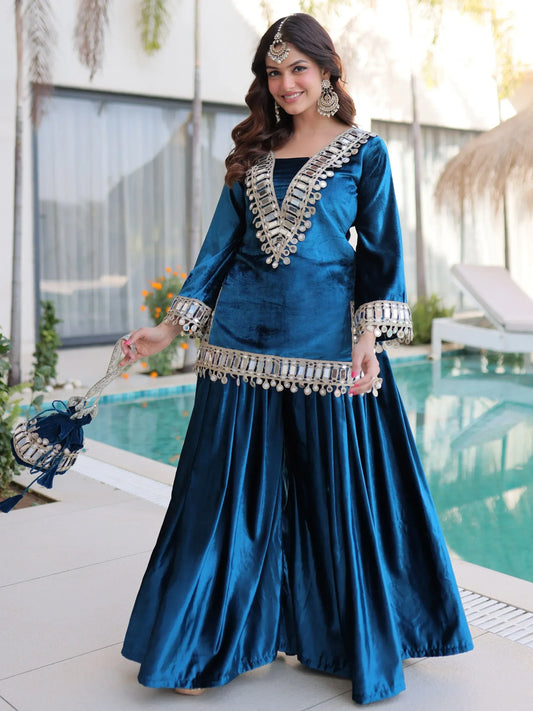
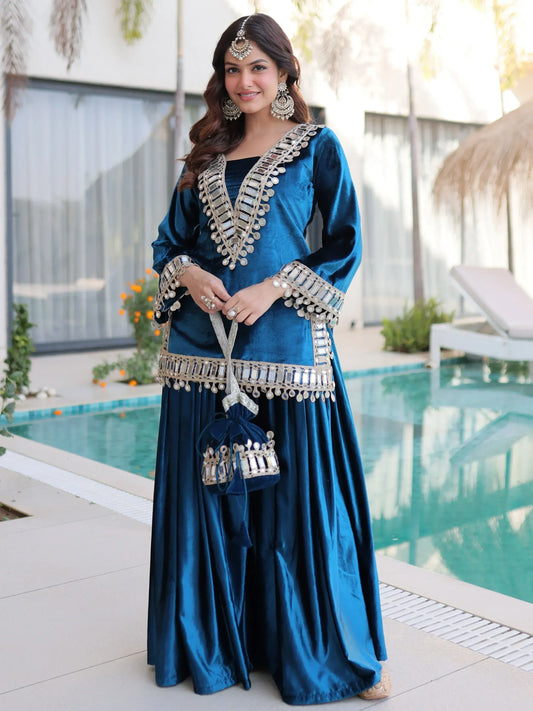
Elegant Teal Blue/Purple Zari Velvet Mirror Work Sharara Set for Women Festive Party Wear
- Regular price
- £82.00
- Regular price
-
£0.00 - Sale price
- £82.00
- Unit price
- per
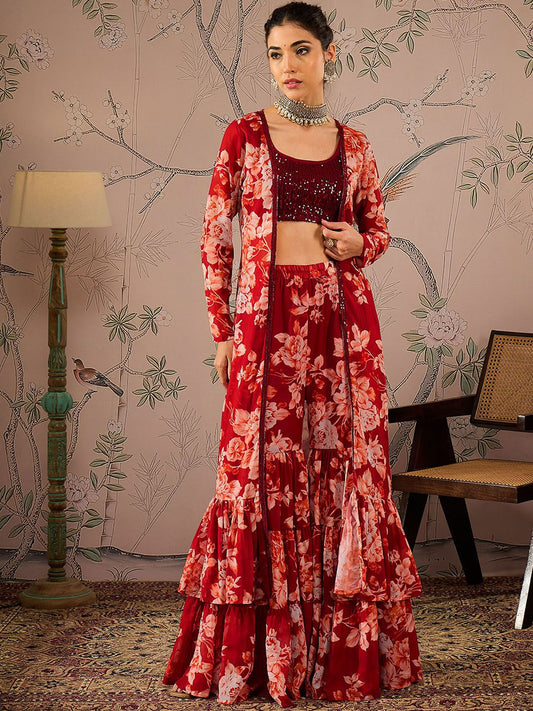
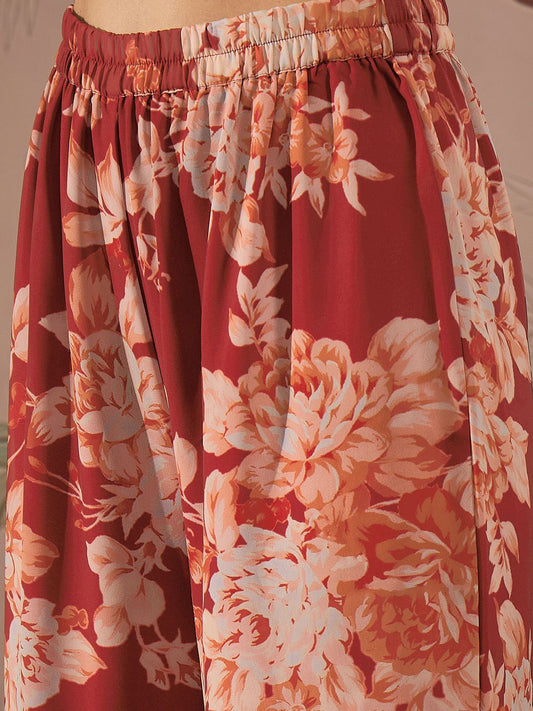
Sequined Crop Top With Sharara & Shrug
- Regular price
- £70.00
- Regular price
-
£0.00 - Sale price
- £70.00
- Unit price
- per
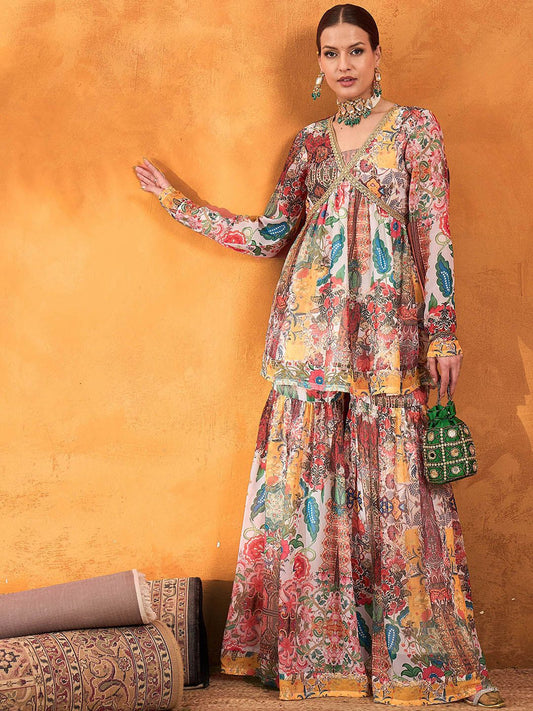
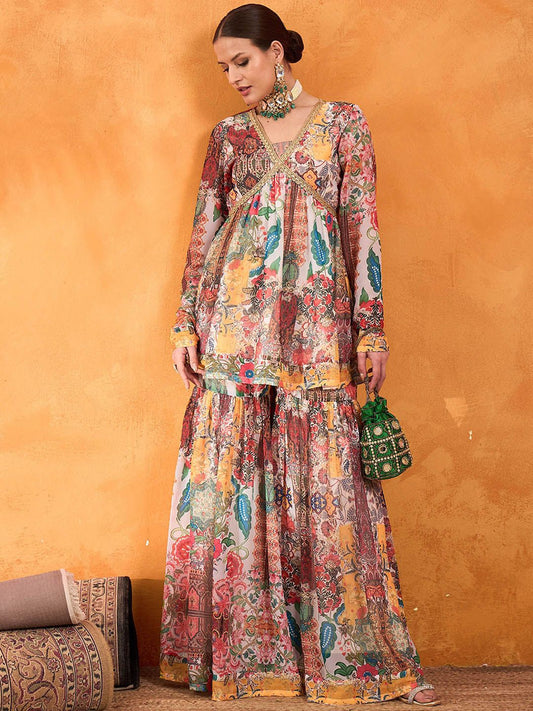
Floral Printed V-Neck Empire A-Line Kurti With Sharara
- Regular price
- £67.17
- Regular price
-
£121.89 - Sale price
- £67.17
- Unit price
- per
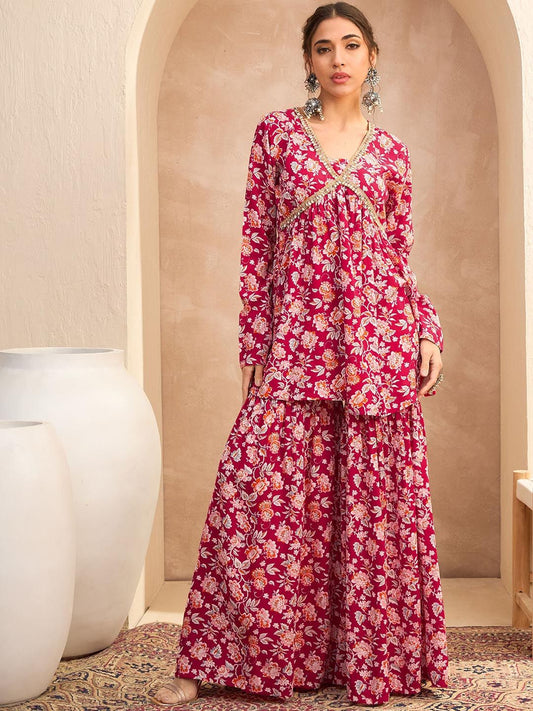
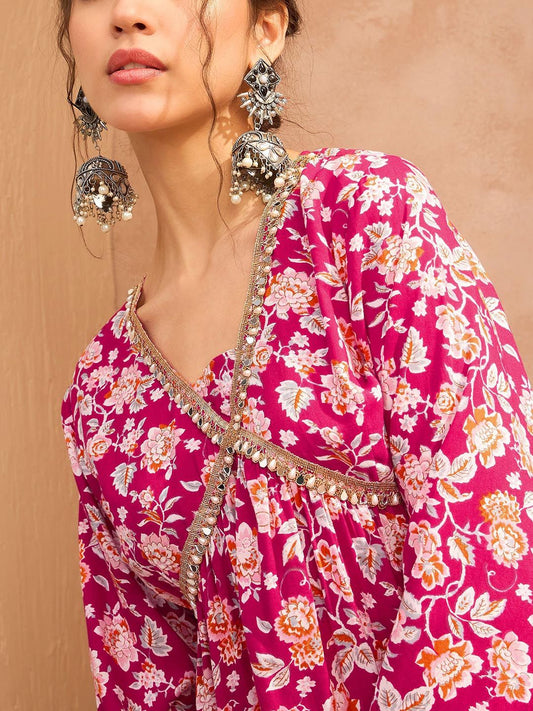
Floral Printed Thread Work Anarkali Kurta with Sharara
- Regular price
- £65.00
- Regular price
-
£103.74 - Sale price
- £65.00
- Unit price
- per
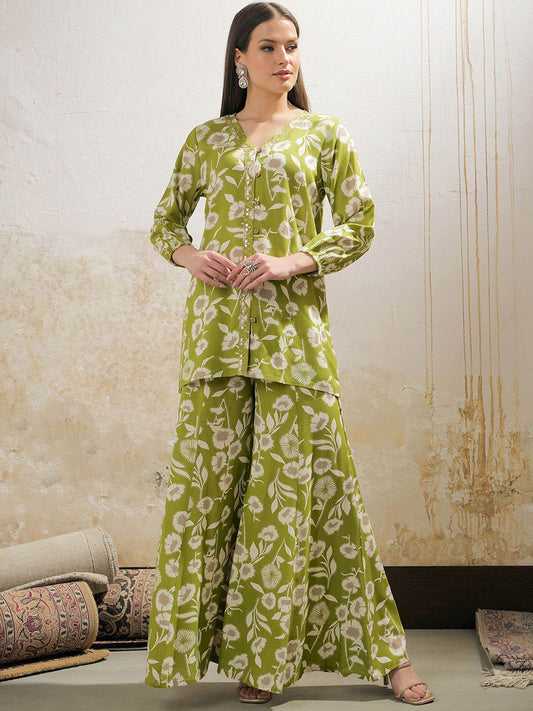
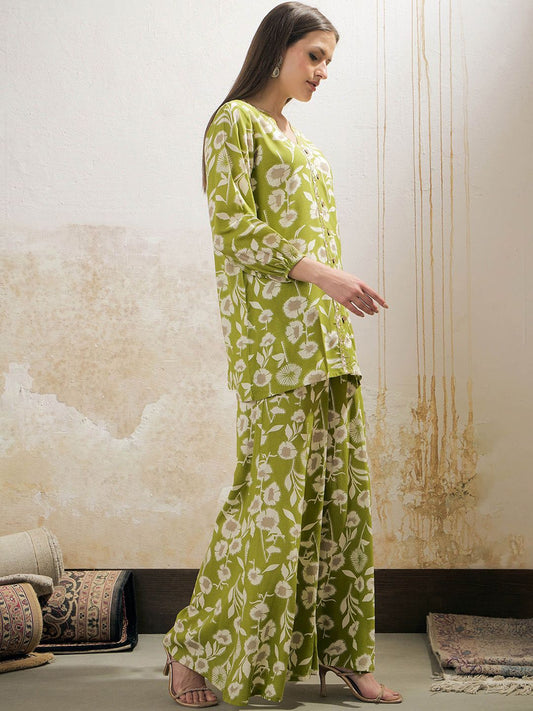
Floral Printed Mirror Work V Neck Shirt & Palazzos
- Regular price
- £52.92
- Regular price
-
£103.74 - Sale price
- £52.92
- Unit price
- per
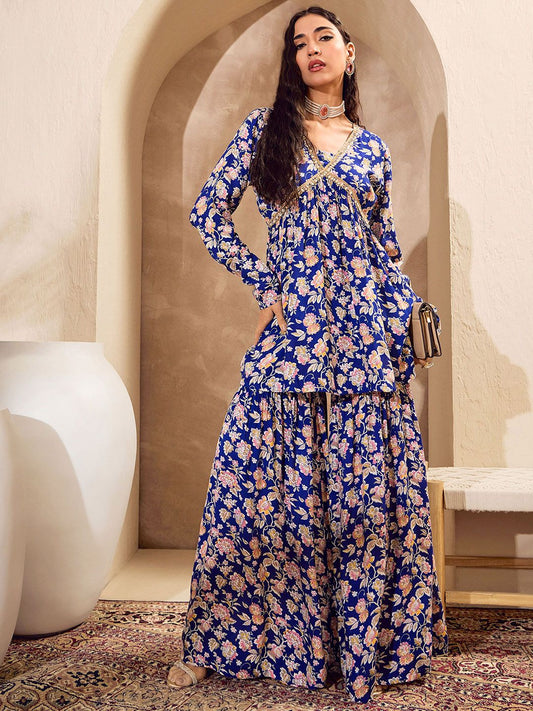
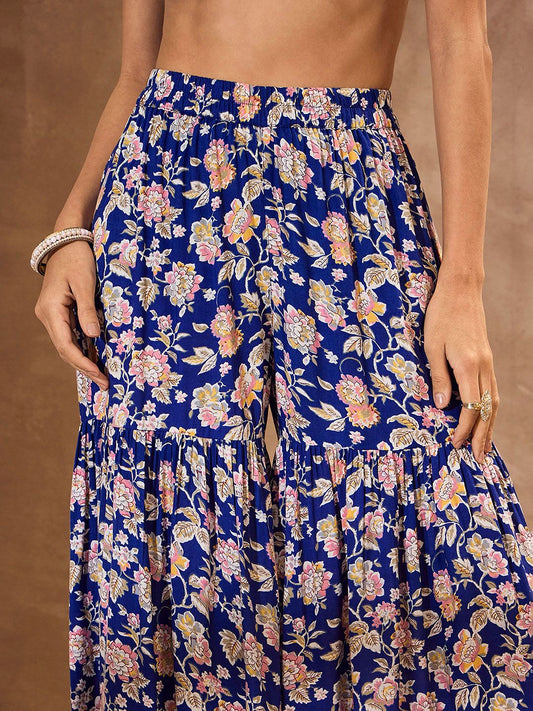
Floral Printed Anarkali Kurta With Sharara
- Regular price
- £55.82
- Regular price
-
£103.74 - Sale price
- £55.82
- Unit price
- per
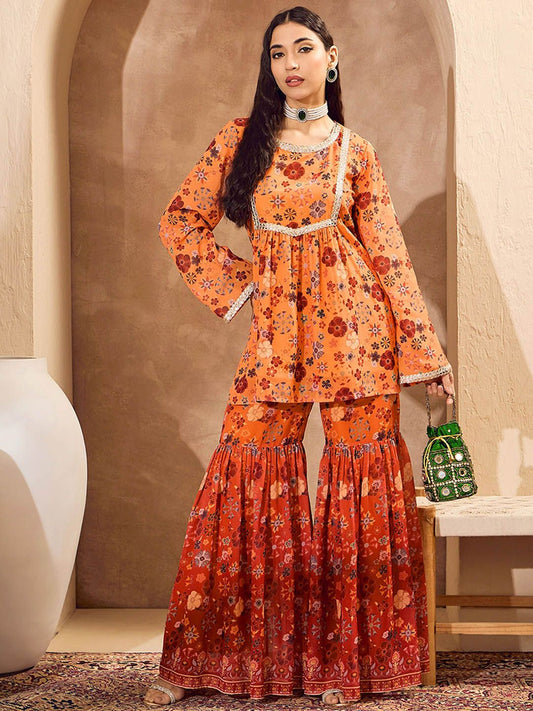
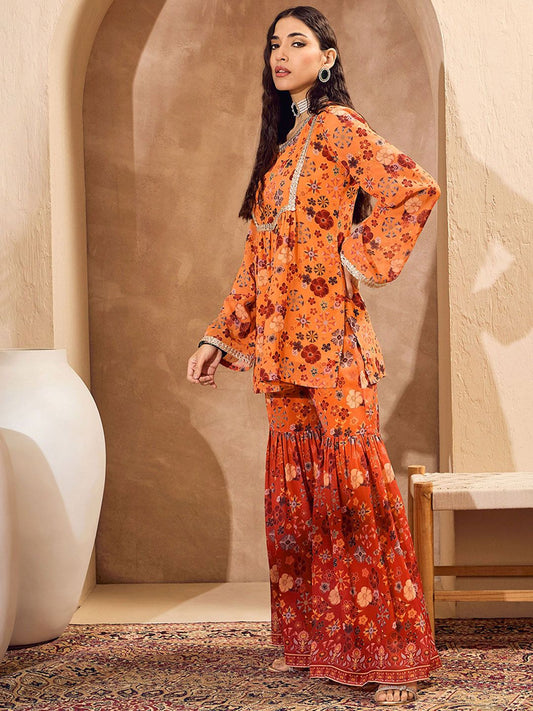
Floral Printed A-Line Kurti with Sharara
- Regular price
- £51.56
- Regular price
-
£0.00 - Sale price
- £51.56
- Unit price
- per
The sharara set has a lineage that runs directly from the Mughal court, making it one of the oldest continuously worn ethnic outfits for women in Indian fashion. The defining characteristic is the wide-leg trouser that flares from the waist, creating a floor-length or near-floor-length silhouette that moves differently from any other ethnic trouser style. Historically associated with Lucknow's Nawabi court culture, the sharara has been in continuous use across North Indian wedding and festive traditions for centuries.
What's happened in the past three years is a genuine resurgence. Not a revival in the sense of bringing something back from irrelevance, but a re-entry into the mainstream. The sharara set is now one of the most-searched ethnic wear categories online, driven by its appearance at high-profile Indian celebrity weddings and a broader trend toward heritage silhouettes in contemporary Indian ethnic wear.
The types of sharara sets in our collection
Chikankari sharara sets: The most culturally resonant version. Lucknow's shadow embroidery tradition, applied to the sharara silhouette. Chikankari on ivory, white, or pastel fabric is the classic Eid dressing from Lucknow's court tradition. Chikankari sharara sets in ivory and soft pastels are also one of the strongest options for mehendi and sangeet functions. We source these directly from Lucknow suppliers with genuine craft provenance.
Embroidered occasion sharara sets: Zari, mirror, and threadwork embellishment on richly coloured fabric. These are the formal wedding and festive occasion sharara sets. A well-embroidered sharara set in jewel tones for a sangeet evening or wedding function carries the same visual weight as a lehenga. Compare directly with our lehenga for wedding collection to see the differences in silhouette and occasion fit.
Printed and block-print sharara sets: The accessible everyday festive option. A sharara set in a bold print for Diwali gatherings, family functions, and festive occasions that don't require the full formality of embroidered occasion wear. For occasions like these, also explore our anarkali dress for mehendi collection, which covers a similar occasion range.
Georgette sharara sets: The drape-forward option. Georgette creates maximum movement in the wide-leg silhouette and photographs beautifully. For evening festive occasions and sangeet events where the visual drama of the flared trouser in motion is part of the appeal.
The chikankari sharara, Lucknow's craft in its most fashionable form
Chikankari is one of the most refined embroidery traditions in Indian craft history. Shadow work, chain stitch, and lattice embroidery on fine white or pastel fabric is the Lucknow tradition at its most distinctive. The craft requires significant skill and time; the price difference between authentic chikankari and machine-printed imitations reflects this directly.
What makes chikankari particularly well-suited to the sharara silhouette is that both originate from the same court tradition. They belong together historically and they work together visually. For women looking at indo-western alternatives for the same occasions, our indo-western outfits for women cover the contemporary direction from a similar starting point.
Sharara versus lehenga: when each is right
The sharara set and the lehenga are both appropriate for the same broad range of Indian wedding and festive occasions. The distinction is silhouette and movement. A lehenga has a pleated skirt that flares from the waist, held in place by the pleating itself. A sharara has a wide-leg trouser that flares from the waist as a continuous piece of fabric. For occasions with significant movement - sangeet evenings with dancing, outdoor mehendi functions - a sharara set that moves freely is often more practical than a lehenga. Browse our kurta sets for festive wear for occasions where the full formality of a sharara or lehenga isn't required.
Practical notes on ordering
We offer free shipping worldwide on all sharara set orders. Customised stitching is available on most pieces. Our Buy 2 Get 25% Off offer applies across the sharara set collection. WhatsApp styling advice is available for occasion-specific guidance before ordering.
FAQ
What is a sharara set?
A sharara set is an Indian ethnic outfit consisting of a kurta top (typically mid-thigh to knee length), a wide-leg sharara trouser that flares dramatically from the waist, and usually a dupatta. Originating in the Mughal court culture of Lucknow, the sharara is characterised by its floor-sweeping wide-leg trouser, which creates a silhouette very different from standard palazzo or churidar trousers. It is one of the most traditionally significant silhouettes in Indian women's ethnic fashion.
What is the difference between a sharara and a palazzo set?
Both involve wide-leg trousers as the bottom piece, but the sharara and palazzo differ in cut and occasion positioning. A sharara flares from the waist with a higher gathering point, creating a more dramatic floor-length sweep. A palazzo is a wide-leg trouser cut from the hip that falls straight. The sharara is typically more formal and occasion-specific, associated with wedding and Eid traditions. The palazzo is more versatile across daily wear, office, and casual festive occasions.
Is a sharara suit the same as a sharara set?
Yes, a sharara suit and a sharara set describe the same three-piece outfit: a kurta top, the wide-leg sharara trouser, and a dupatta. "Suit" and "set" are used interchangeably across Indian ethnic wear terminology, and both refer to the same silhouette described throughout this collection.
Is a sharara set appropriate for a wedding?
Yes, a sharara set is one of the most historically appropriate choices for Indian wedding functions, particularly sangeet evenings, mehendi functions, and formal festive occasions within North Indian wedding traditions. An embroidered sharara set in silk or georgette with a matching dupatta carries the same formality level as a lehenga. For the main wedding ceremony, a heavily embroidered sharara set is completely appropriate for family members and wedding guests.
Where can I buy sharara sets online with free shipping?
Absolutely Desi offers a curated range of sharara sets including Chikankari styles sourced from Lucknow suppliers, embroidered occasion sets, and printed festive options, with free shipping worldwide. Customised stitching is available on most styles. Our Buy 2 Get 25% Off offer applies across the collection. WhatsApp styling advice is available for occasion guidance before ordering.
Check Out Our Collection


- Choosing a selection results in a full page refresh.