
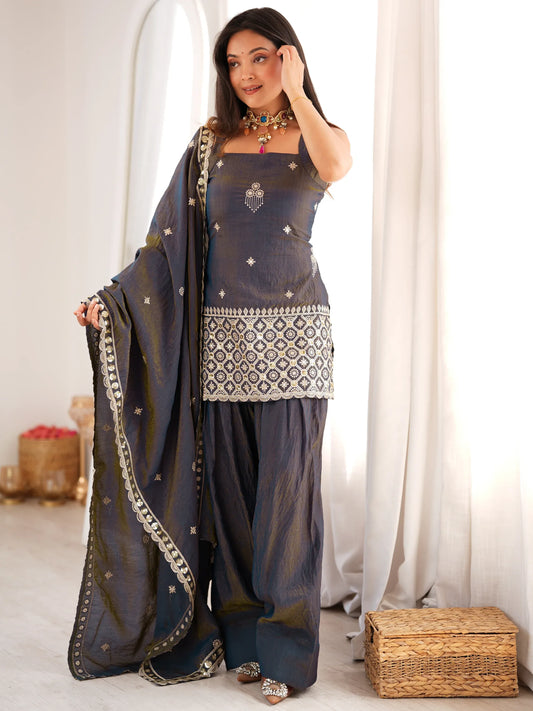
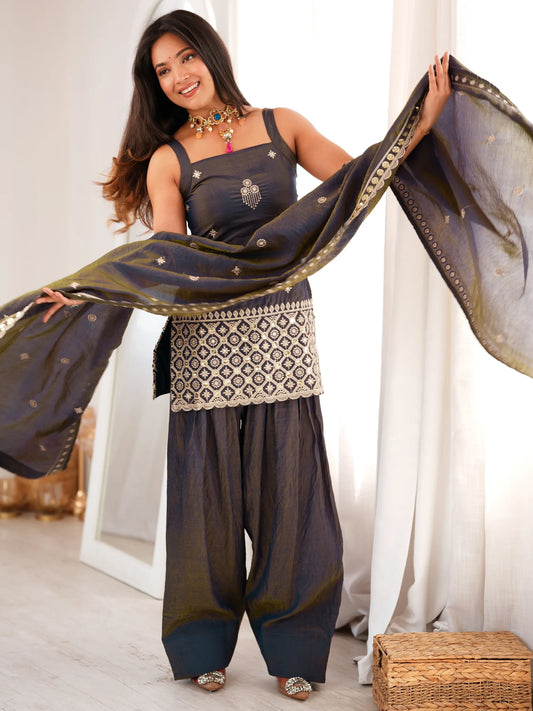
Admirable Grey Dori Embroidered Silk Festive Wear Salwar Suit
- Regular price
- £73.00
- Regular price
-
- Sale price
- £73.00
- Unit price
- per
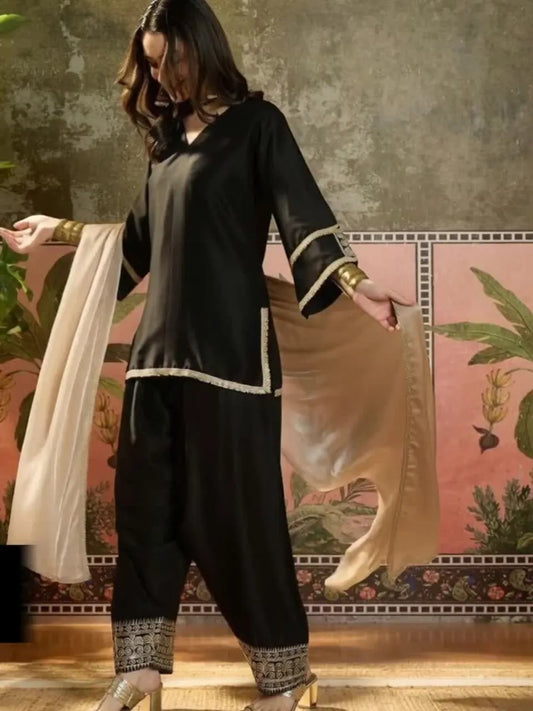
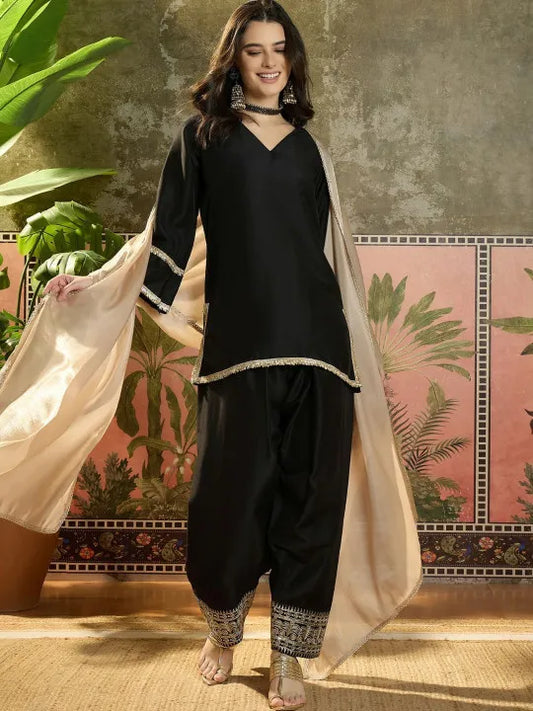
Women Cotton Embroidered Straight Kurta And Farshi Salwar With Dupatta Set
- Regular price
- £58.00
- Regular price
-
£83.00 - Sale price
- £58.00
- Unit price
- per
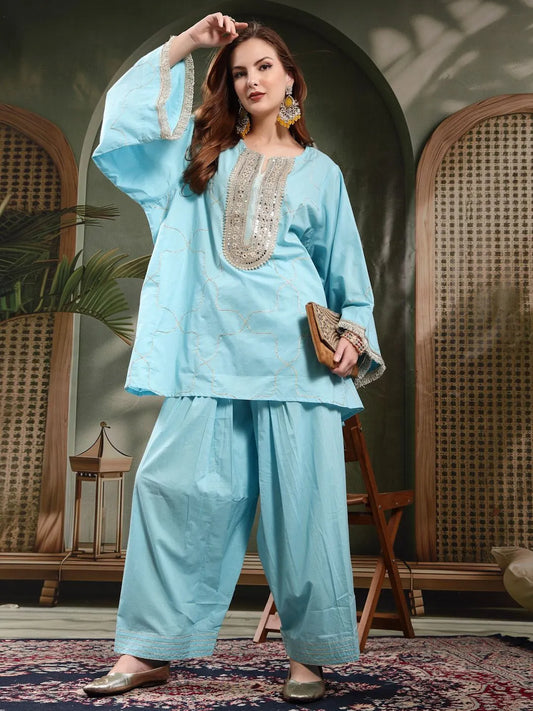
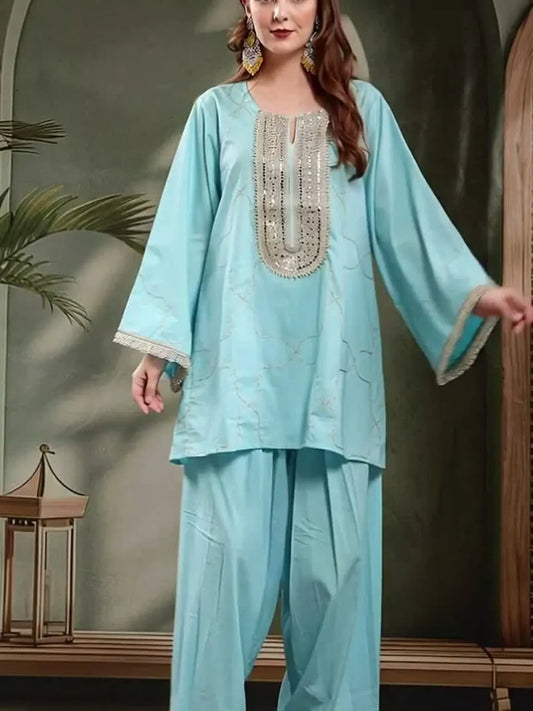
Women Ethnic Motifs Embroidered Regular Mirror Work Pure Cotton Kurta with Patiala
- Regular price
- £93.00
- Regular price
-
- Sale price
- £93.00
- Unit price
- per
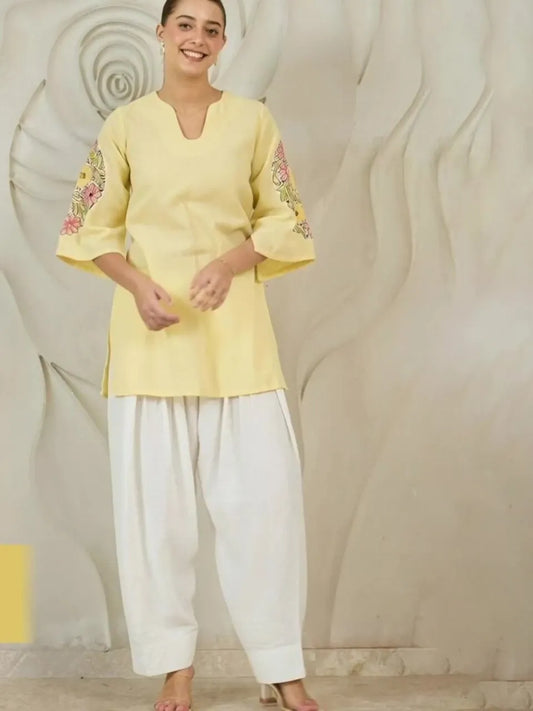
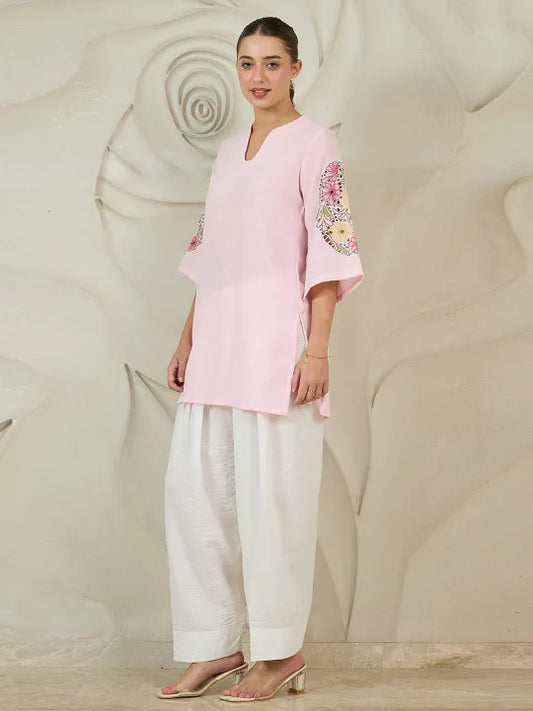
Women Farshi Floral Embroidered U-Neck Pure Cotton Kurti with Salwar
- Regular price
- £81.00
- Regular price
-
- Sale price
- £81.00
- Unit price
- per
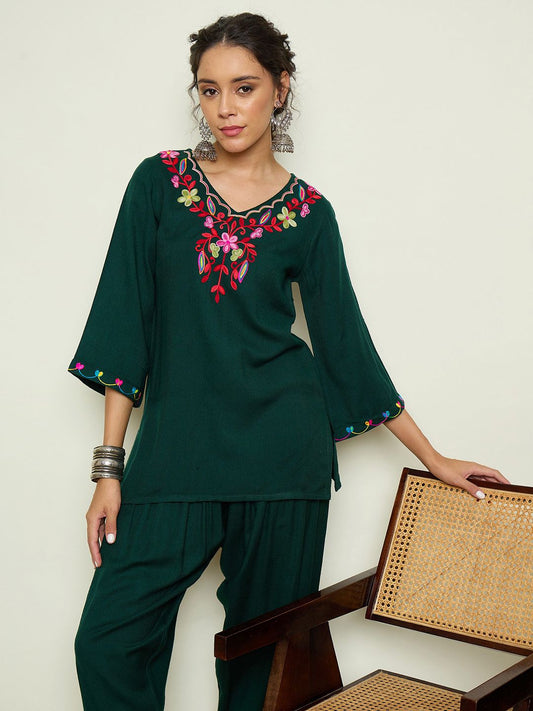
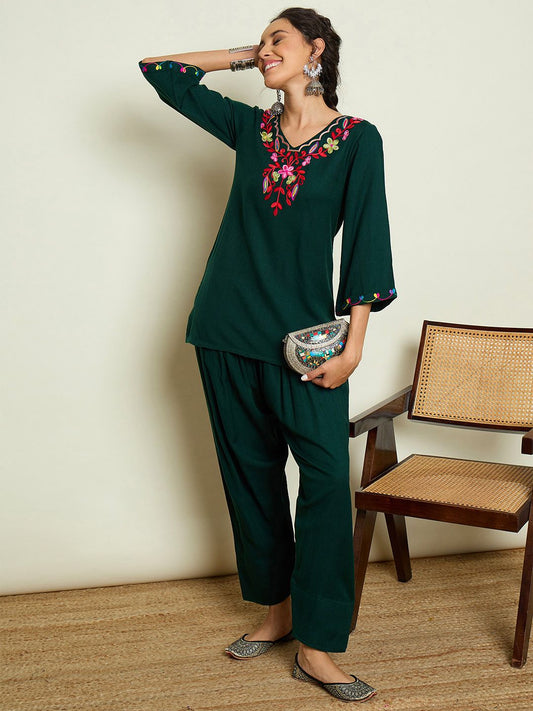
Women Floral Embroidered Wollen Kurta with Patiala
- Regular price
- £63.81
- Regular price
-
£103.74 - Sale price
- £63.81
- Unit price
- per
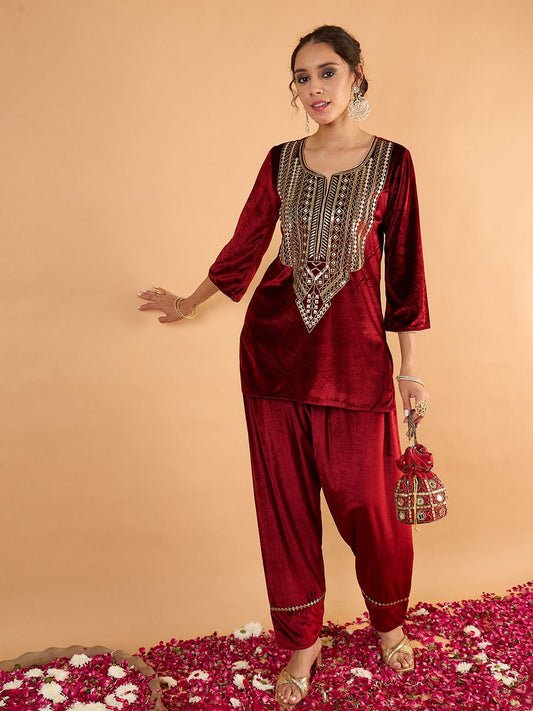
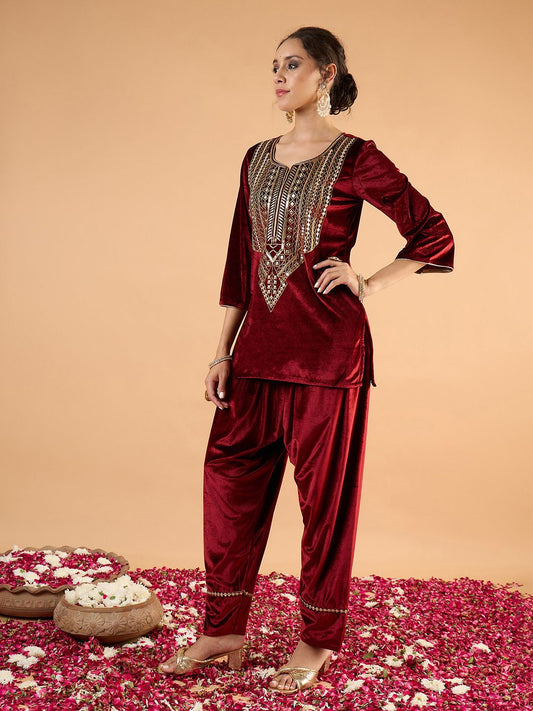
Women Ethnic Motifs Embroidered Above Knee Regular Kurta with Patiala
- Regular price
- £78.33
- Regular price
-
£121.89 - Sale price
- £78.33
- Unit price
- per
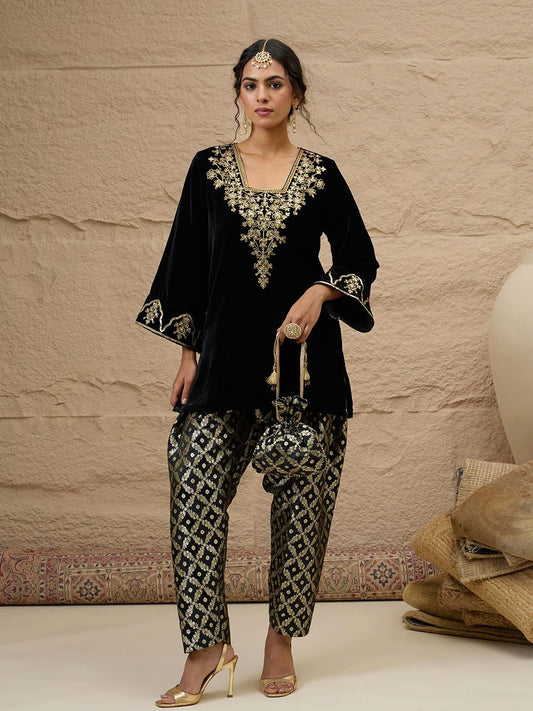
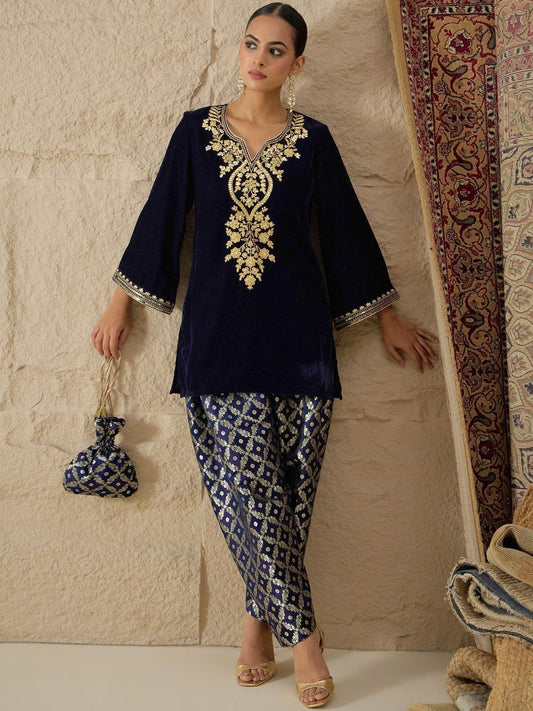
Ethnic Motifs Embroidered Thread Work Velvet Kurta With Patiala
- Regular price
- £137.00
- Regular price
-
£0.00 - Sale price
- £137.00
- Unit price
- per
Farshi Patiala Salwar Sets, Traditional Punjabi Suits for Weddings & Festive Occasions
The Farshi Patiala salwar set is one of the most visually distinctive silhouettes in Indian ethnic fashion. The name itself describes the garment's defining characteristic: farsh means floor in Urdu, and the Farshi salwar is designed to touch it. The extra-wide, dramatically flared trouser sweeps the floor as you walk. This is a silhouette that dates to Mughal and Persian court culture, designed explicitly for the grandeur of royal occasions.
After decades as primarily a regional and community dress tradition, the Farshi Patiala set is experiencing a genuine revival. Instagram and Pinterest have made its visual drama broadly visible. Designers across India and Pakistan have reinterpreted it in lighter fabrics with contemporary tailoring. The Punjabi diaspora across the globe has been reconnecting with it for wedding occasions, wearing a style their grandmothers wore, but in fabrics and tailoring that feel contemporary rather than purely traditional.
At Absolutely Desi, our Farshi Patiala collection is curated for the wedding circuit and major festive occasions. These are not daily wear pieces. The Farshi is built for occasions where impact matters and where the visual drama of a floor-sweeping silhouette is appropriate and celebrated. Mehendi functions, sangeet evenings, Eid celebrations, and traditional wedding ceremonies are where the Farshi salwar suit performs most powerfully.
The style is particularly popular among Indian communities worldwide. We see regular enquiries from customers looking for Farshi Patiala salwar outfits for family weddings in Punjab, Delhi, North India, and celebrations abroad. Free shipping worldwide means ordering from abroad for a wedding back home is straightforward when shopping in our store.
What Makes a Farshi Patiala Salwar Set Different?
A Farshi Patiala salwar set is a three-piece ensemble: a straight or slightly fitted Kurta top (typically mid-thigh to slightly longer), an extremely wide-leg Farshi salwar trouser, and a dupatta. The Farshi salwar is what distinguishes it from all other ethnic trouser styles. It is significantly wider than a Palazzo, starting its flare higher on the thigh, and designed to extend to floor length with enough width to create a visible sweep as you walk.
The Kurta length is critical to the silhouette. A shorter Kurta (hip to mid-thigh) shows more of the Farshi, creating a more dramatic visual effect. A longer Kurta (knee-length or below) creates a more covered, traditional silhouette. Both are correct; they just read differently in terms of how much the Farshi trouser is the visual statement.
Fabric determines the fall. Chiffon and georgette Farshi trousers create the most dramatic sweep because the fabric moves with every step and catches light. Cotton Farshi sets are more structured and appropriate for daytime functions. Embroidered net Farshi sets for wedding ceremonies are the most formal interpretation. The fabric choice should match the occasion's formality and time of day.
The dupatta in a Farshi set is often a matching or co-ordinated fabric to the Kurta. It is worn draped across the chest and over one shoulder, or used as a veil drape for certain wedding functions. The dupatta's width and embellishment level should match the occasion. Choose a simple dupatta for festive functions and an embellished dupatta for wedding ceremonies.
When to Wear a Farshi Patiala Salwar Suit?
-
Mehendi functions: The Farshi's most natural occasion in the modern wedding circuit. Bright colours like yellow, green, and orange in printed or embroidered fabric with the characteristic floor-sweep silhouette work perfectly. The wide trouser allows comfortable movement through a day that often involves sitting on the floor, dancing, and extended outdoor time. This is where the Farshi Patiala set as festive wear for women is most contemporary.
-
Sangeet and evening wedding functions: Embellished georgette or silk Farshi sets in jewel tones. The evening light rewards the fabric movement of a Farshi; the floor-sweep is most visually dramatic when there is space to move. Sangeet events are one of the strongest occasions for a statement wedding ethnic wear piece, and the Farshi Patiala is designed for exactly this kind of visual moment.
-
Eid and community festive occasions: The Farshi's cultural roots in Mughal and Persian court dress give it a specific resonance with Eid dressing in communities where the style is a living tradition. Chikankari Farshi sets in white, ivory, or pastel tones are the classic Eid interpretation. The embroidery tradition and the silhouette both carry cultural significance for this occasion.
-
When a Farshi Patiala isn't the right choice: Casual daily functions, informal social gatherings, and outdoor occasions where the floor-length sweep is impractical. The Farshi is a statement piece; it performs in spaces and on occasions where its drama is appropriate. A wedding in an outdoor garden might require consideration of the practical wear of a floor-sweeping garment. Context and practicality come first.
2026 Farshi Patiala trends, what's performing
-
Chikankari Farshi sets: Lucknow's shadow embroidery tradition applied to the Farshi silhouette. This combination of Lucknow craft heritage meeting the Punjabi court silhouette is one of the most visually interesting in contemporary Indian ethnic fashion. Chikankari Farshi sets in ivory, white, and soft pastels are performing strongly globally.
-
Contemporary fabric interpretations: The 2026 Farshi revival is happening in lighter fabrics like chiffon, georgette, and organza rather than the heavier traditional fabrics. This makes the silhouette more wearable across more occasions and climates, and the lighter fabric creates more movement and visual drama in the sweep.
-
Bold print Farshi sets: Block-print cotton Farshi sets in bold Jaipur colours like emerald, saffron, and rani pink for daytime festive occasions. This is the contemporary-casual interpretation of the silhouette: traditional heritage in a modern colour story, accessible for functions that don't require formal embellishment.
Practical notes on ordering: Our customised stitching service is available on most Farshi Patiala sets in our store. Trouser length, Kurta adjustments, and blouse-style modifications are all available. The floor-length sweep means getting the measurement right at order time is more important than with most other ethnic styles. As a premier global store, we offer free shipping on all orders worldwide. Our Buy 2 Get 1 Free offer applies across most styles in this collection, perfectly tailored and delivered right to your doorstep.
FAQ's
What is a Farshi Patiala set?
A Farshi Patiala set (also called a Farshi salwar suit) is a three-piece Punjabi ethnic outfit consisting of a Kurta top, extremely wide-leg Farshi salwar trousers, and a dupatta. The name comes from farsh (floor in Urdu) because the Farshi trouser is designed to sweep the floor as you walk, creating a dramatic, royal silhouette. Originating in Mughal and Persian court culture, Farshi Patiala suits are now worn for mehendi functions, sangeet evenings, Eid celebrations, and traditional Punjabi wedding ceremonies.
When should I wear a Farshi Patiala set vs. a Sharara set?
A Farshi Patiala set and a Sharara set are both wide-leg festive ethnic outfits, but they differ significantly in heritage and occasion positioning. The Farshi Patiala has Punjabi royal court origins and is most appropriate for traditional wedding functions, Eid, and festive occasions within Punjabi and North Indian communities. The Sharara has Mughal court origins and is more broadly appropriate across Indian wedding contexts. If the occasion is a traditional Punjabi wedding or family event where regional dress is celebrated, the Farshi Patiala is the more culturally resonant choice.
What occasions are Farshi Patiala sets best for as wedding ethnic wear?
Farshi Patiala sets perform most powerfully at mehendi functions, sangeet evenings, Eid celebrations, and traditional wedding ceremonies where the floor-sweeping silhouette is appropriate and celebrated. They are festive and formal, not casual. A Farshi Patiala reads as a statement wedding ethnic wear piece that marks the occasion as significant. For very casual functions or outdoor events where the floor-sweep is impractical, a shorter silhouette is more appropriate.
Where can I buy Farshi Patiala sets online with free shipping?
Absolutely Desi is a dedicated online store offering Farshi Patiala sets, including Chikankari, embroidered, and block-print styles, with free shipping worldwide. Our collection includes both traditional embellished sets for wedding functions and contemporary fabric interpretations for festive occasions. Customised stitching is available on most styles, which is extremely important for the floor-length sweep that requires accurate length measurements. Our Buy 2 Get 1 Free offer applies across most styles in our store.
Check Out Our Collection


- Choosing a selection results in a full page refresh.