
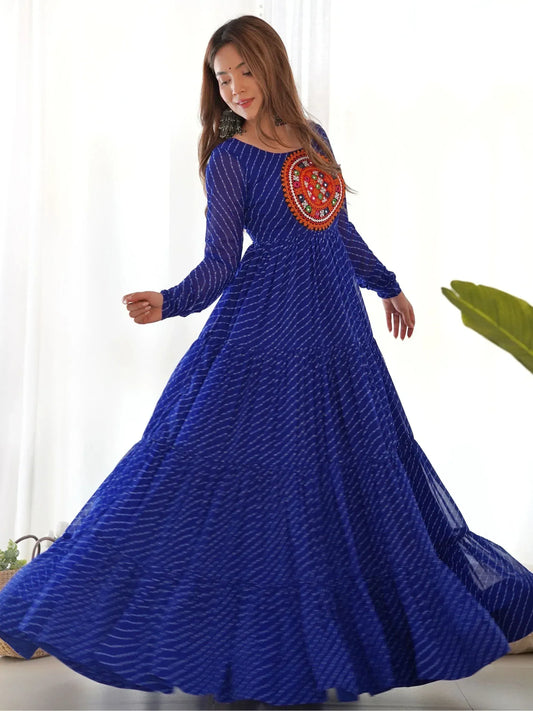
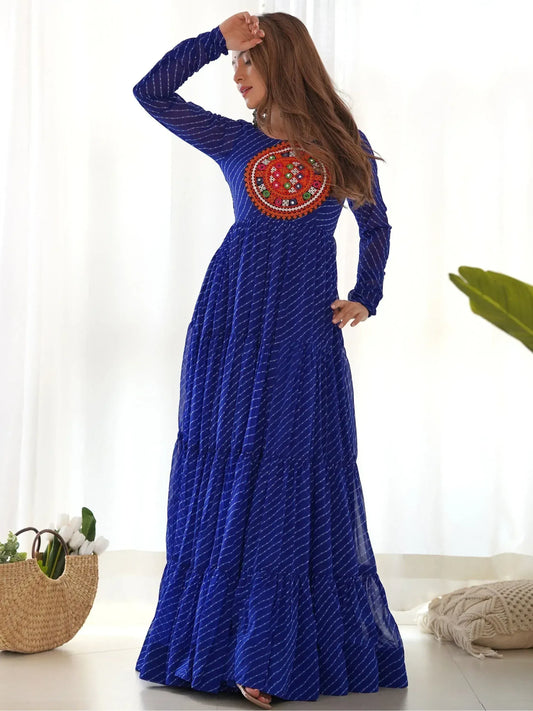
Laheriya Printed Georgette Navratri Wear Gown
- Regular price
- £60.00
- Regular price
-
- Sale price
- £60.00
- Unit price
- per
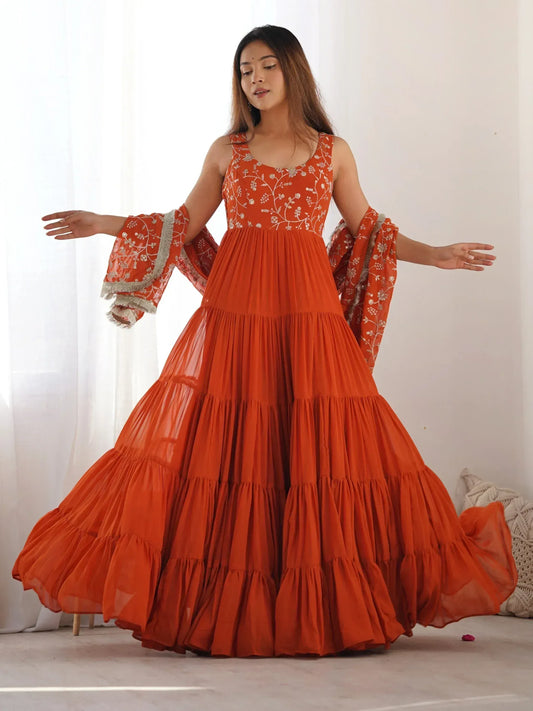
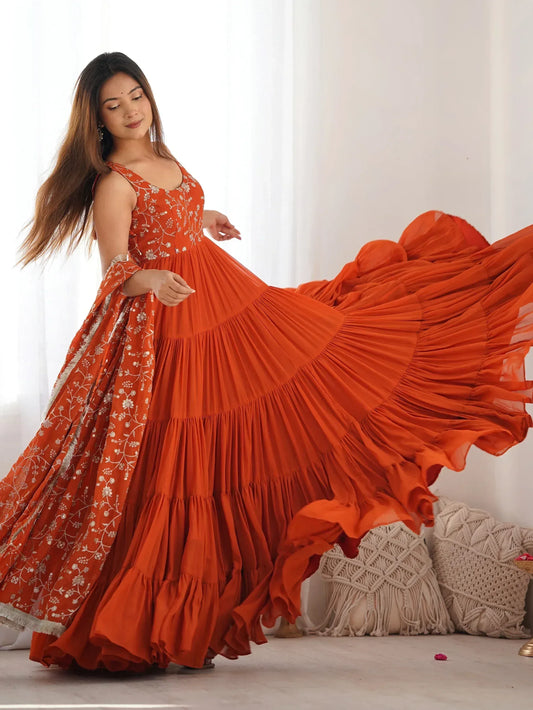
Embroidered Georgette Anarkali Gown With Dupatta
- Regular price
- £69.00
- Regular price
-
- Sale price
- £69.00
- Unit price
- per
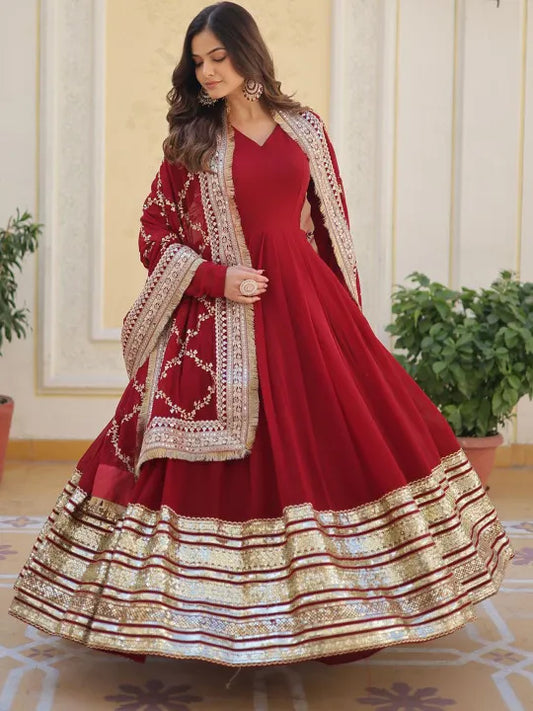
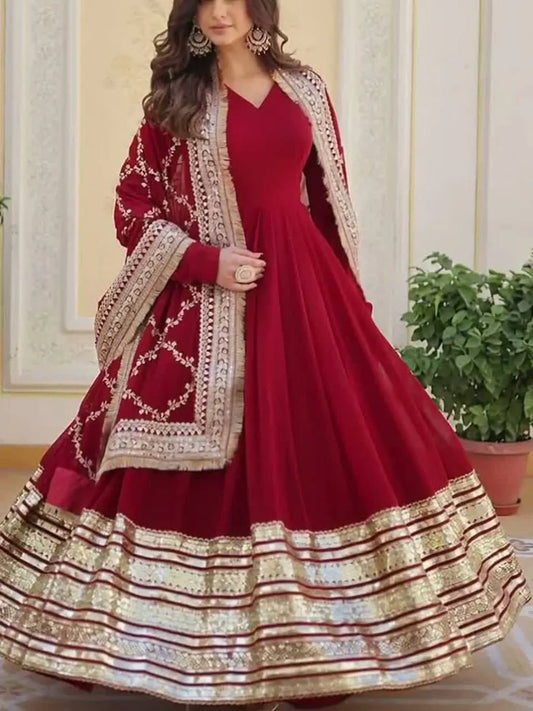
Women Maroon Embroidered Georgette Anarkali Kurta
- Regular price
- £79.00
- Regular price
-
- Sale price
- £79.00
- Unit price
- per
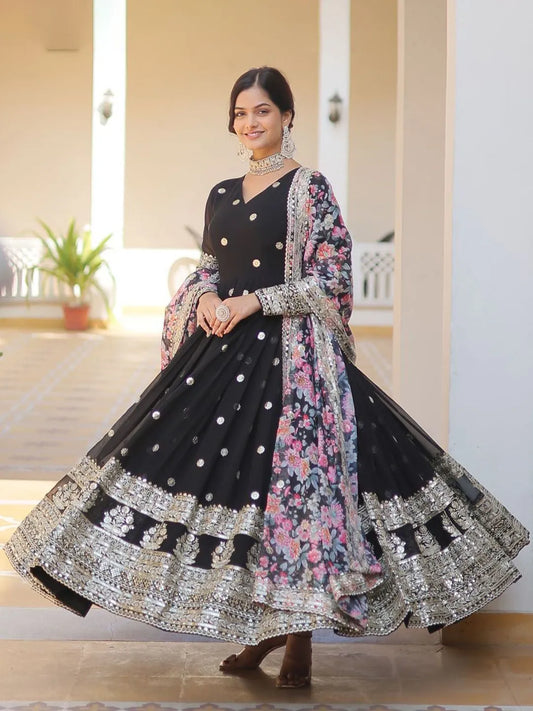
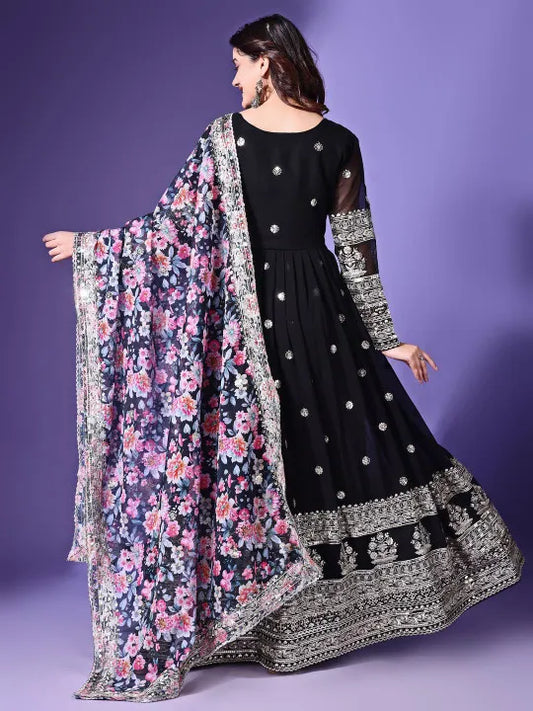
Floral Embroidered Sequined Georgette Anarkali Kurta With Dupatta
- Regular price
- £74.00
- Regular price
-
- Sale price
- £74.00
- Unit price
- per
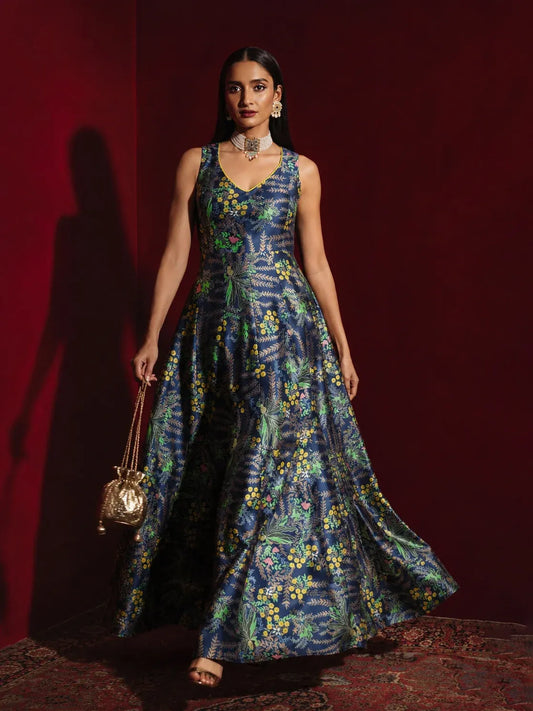
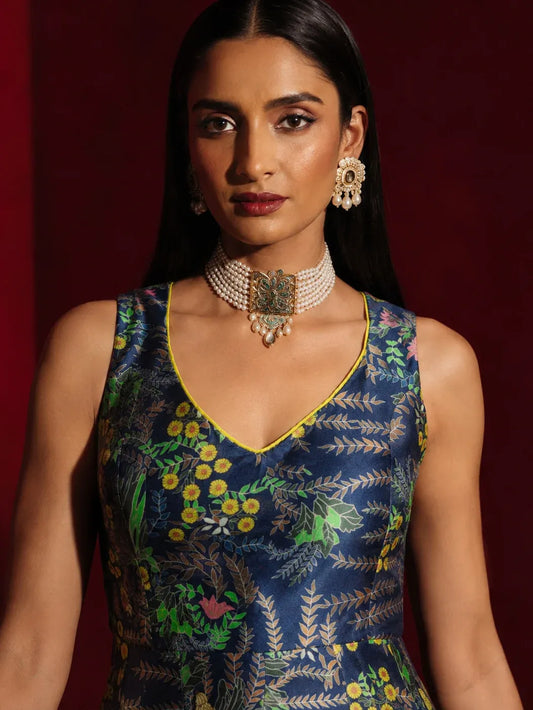
Women Navy Floral Sleeveless Anarkali Maxi Kurta
- Regular price
- £71.00
- Regular price
-
- Sale price
- £71.00
- Unit price
- per
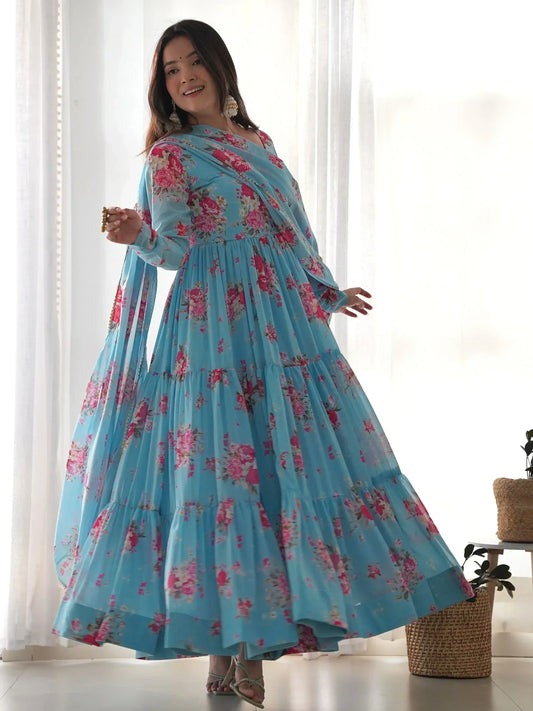
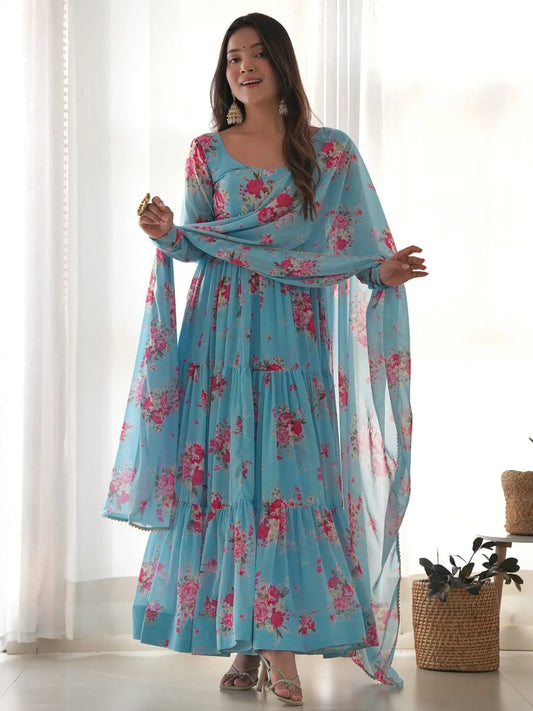
Beautiful Sky-Blue Floral Printed Georgette Anarkali Pant Suit
- Regular price
- £59.00
- Regular price
-
- Sale price
- £59.00
- Unit price
- per
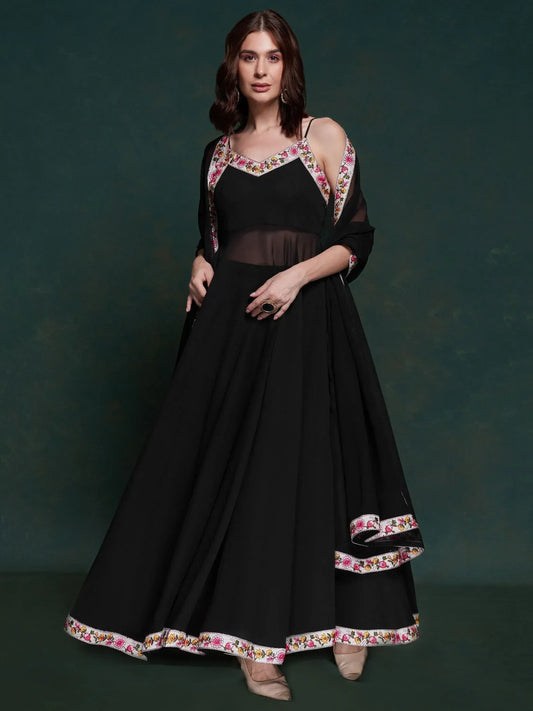
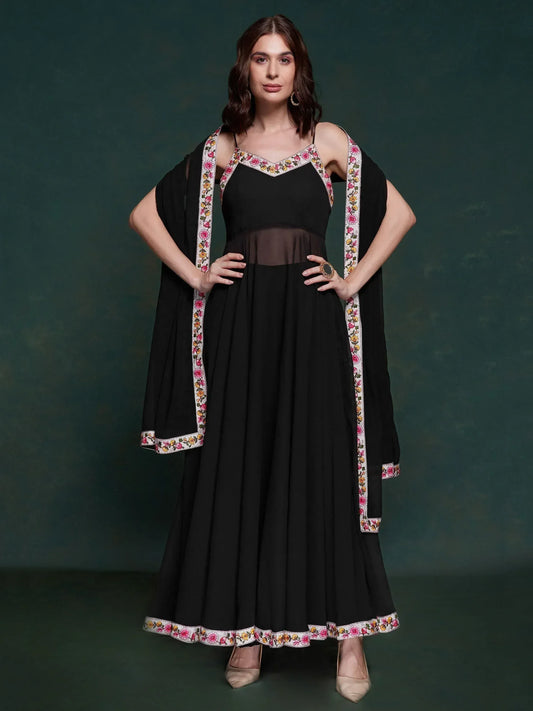
Black Georgette Party Wear Long Suit With Dupatta
- Regular price
- £98.00
- Regular price
-
- Sale price
- £98.00
- Unit price
- per
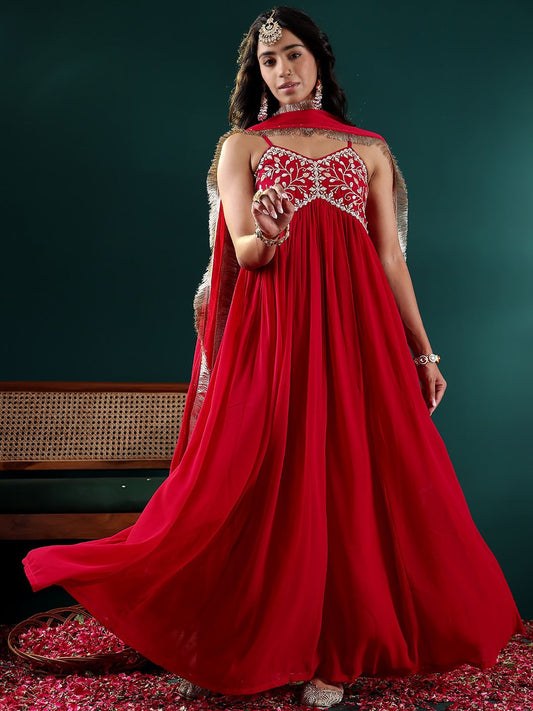
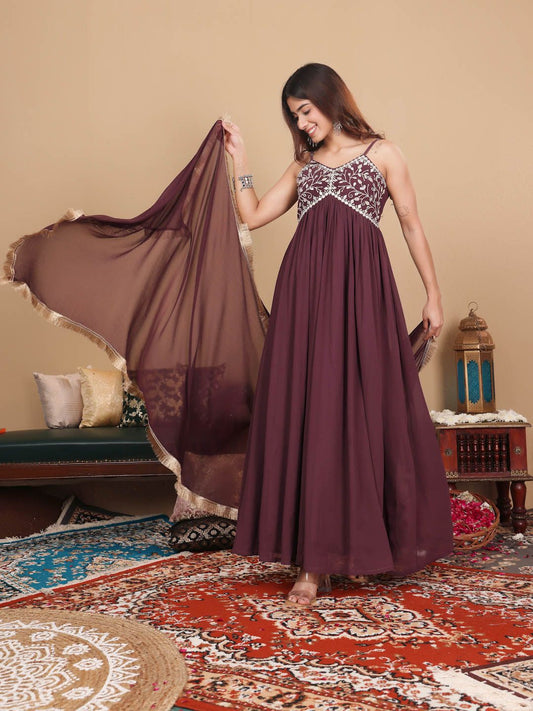
Ethnic Motifs Embroidered Gotta Patti Georgette Kurta With Dupatta
- Regular price
- £63.00
- Regular price
-
£90.00 - Sale price
- £63.00
- Unit price
- per
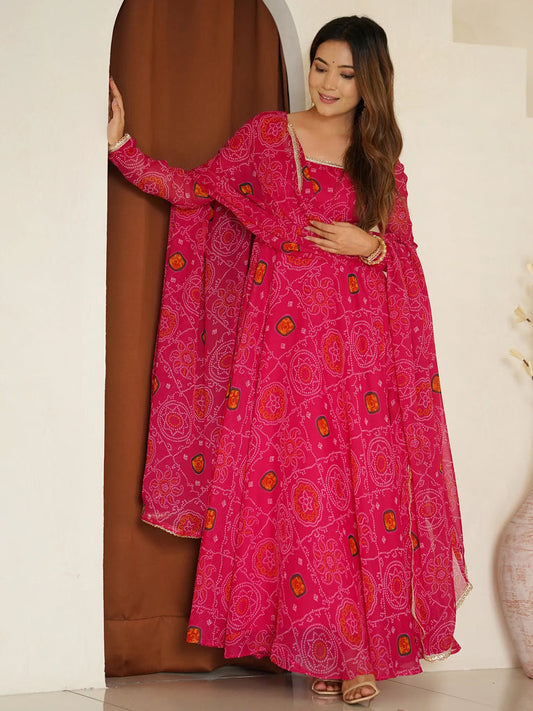
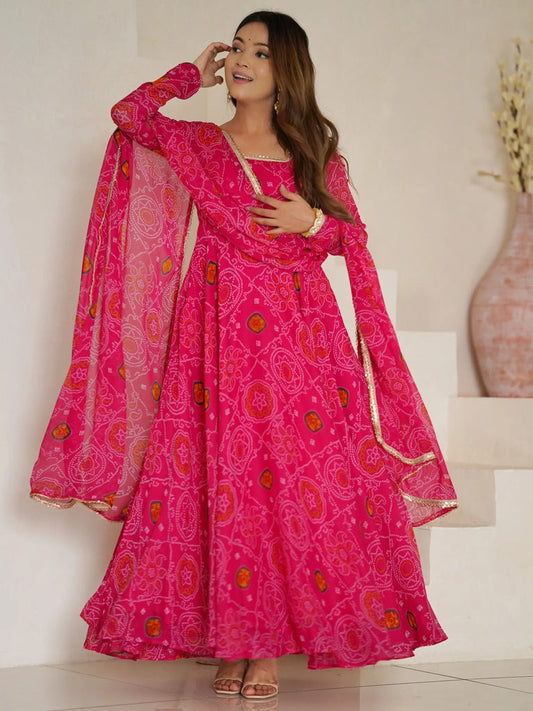
Fabulous Pink Bandhani Printed Georgette Event Wear Anarkali Suit
- Regular price
- £65.00
- Regular price
-
- Sale price
- £65.00
- Unit price
- per
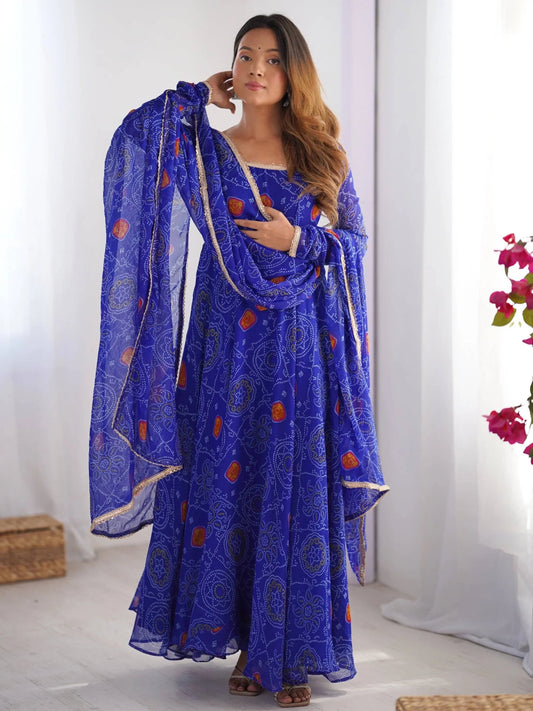
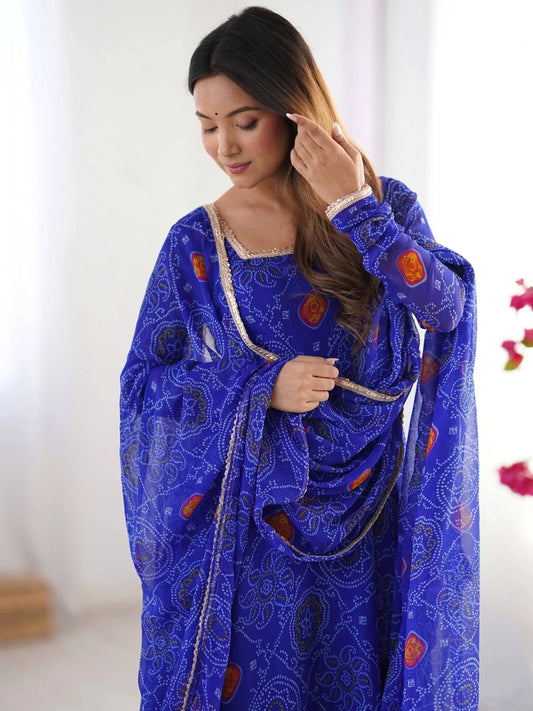
Fabulous Royal Blue Bandhej Printed Georgette Festive Wear Anarkali Suit
- Regular price
- £65.00
- Regular price
-
- Sale price
- £65.00
- Unit price
- per
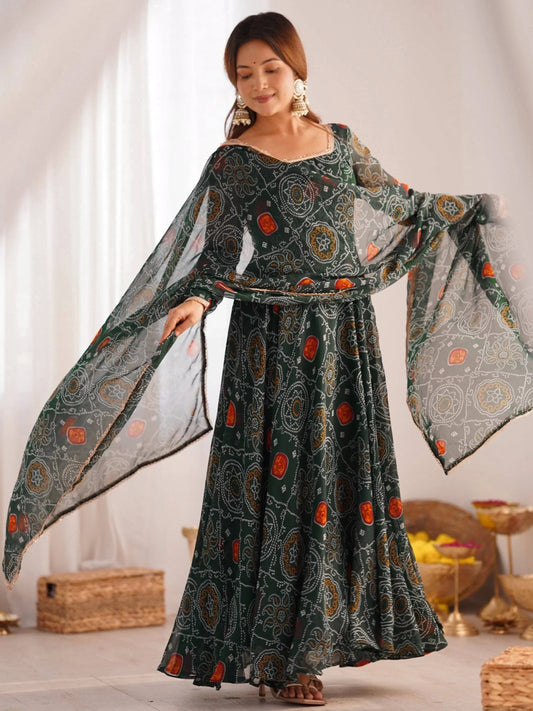
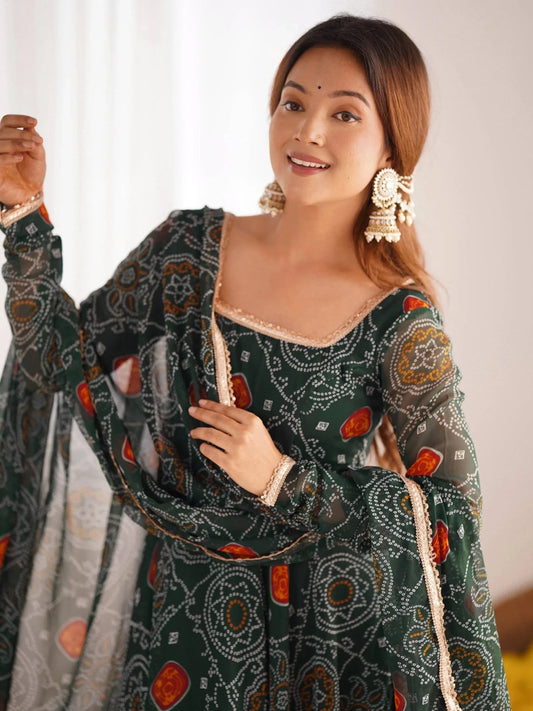
Wonderful Green Bandhej Printed Georgette Casual Wear Anarkali Suit
- Regular price
- £65.00
- Regular price
-
- Sale price
- £65.00
- Unit price
- per
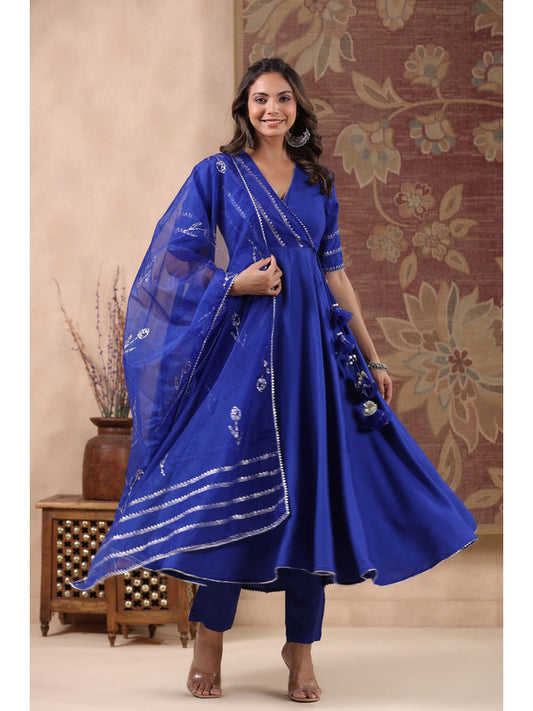
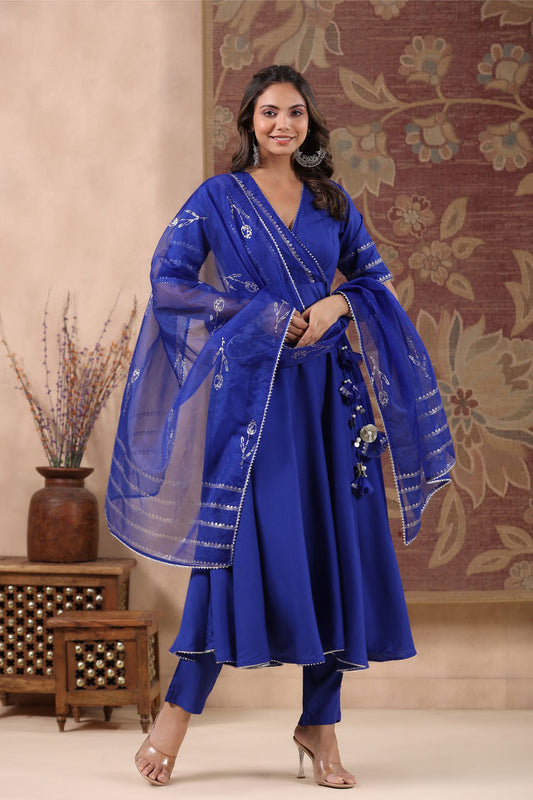
Jashn Hand-block Printed Suit Set
- Regular price
- £80.00
- Regular price
-
- Sale price
- £80.00
- Unit price
- per


Women Navy Floral Anarkali Skirt With Blazer
- Regular price
- £93.47
- Regular price
-
- Sale price
- £93.47
- Unit price
- per

Stunning Lime Green Chinon Printed Anarkali Gown
- Regular price
- £85.52
- Regular price
-
- Sale price
- £85.52
- Unit price
- per
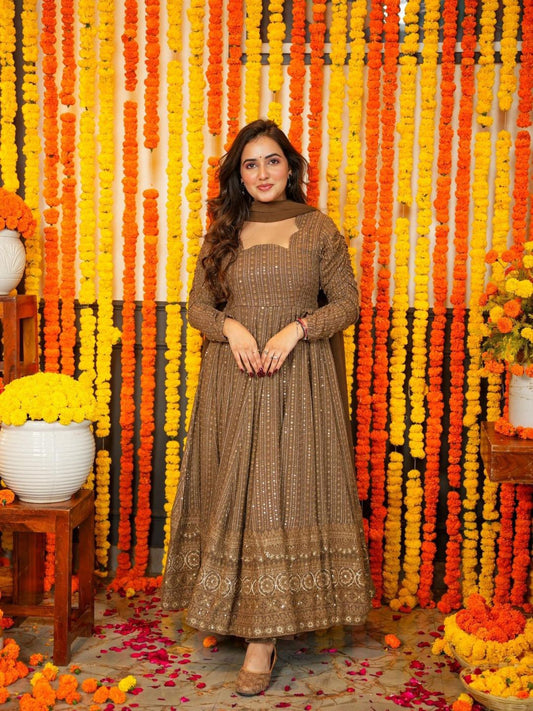

Embroidery Zari Sequins-work Faux Georgette Brown Gown with Dupatta
- Regular price
- £85.00
- Regular price
-
£0.00 - Sale price
- £85.00
- Unit price
- per
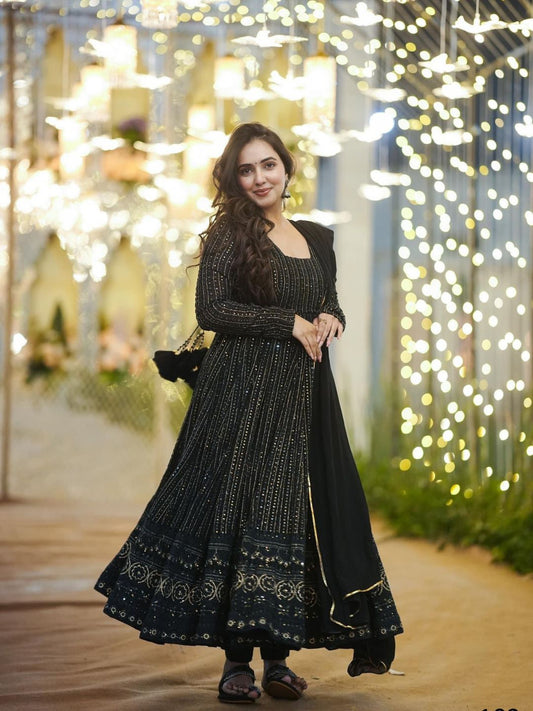
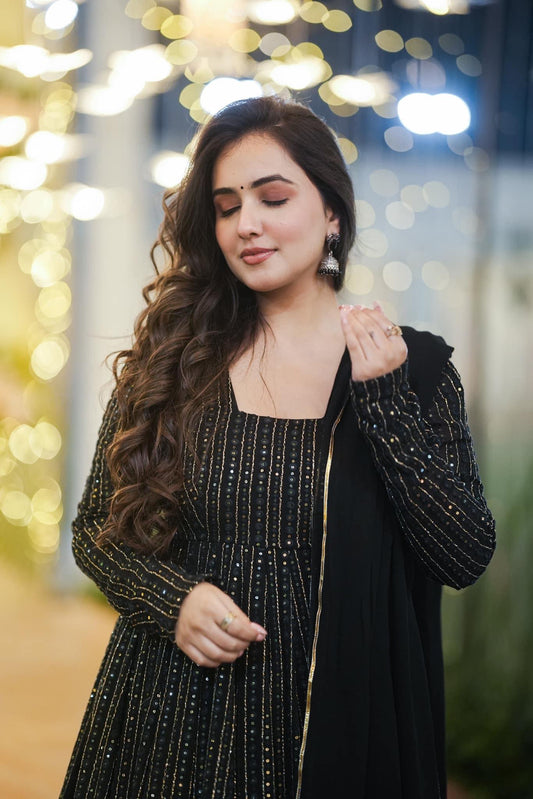
Embroidery Zari Sequins-work Faux Georgette Black Gown with Dupatta
- Regular price
- £77.28
- Regular price
-
£0.00 - Sale price
- £77.28
- Unit price
- per
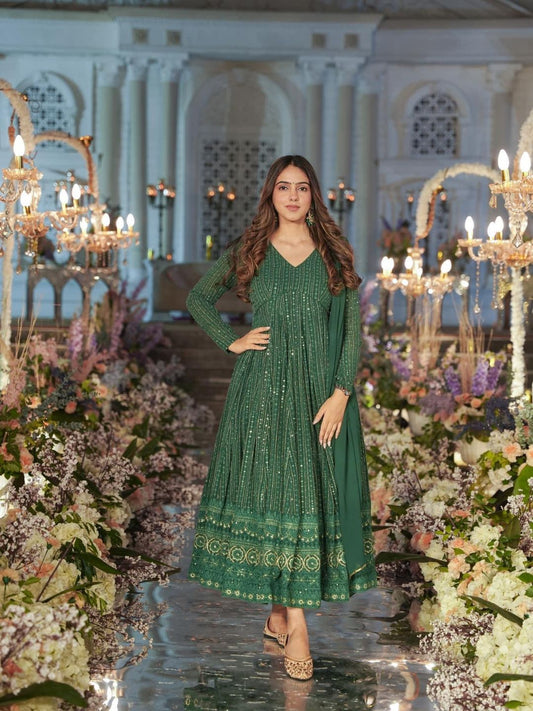
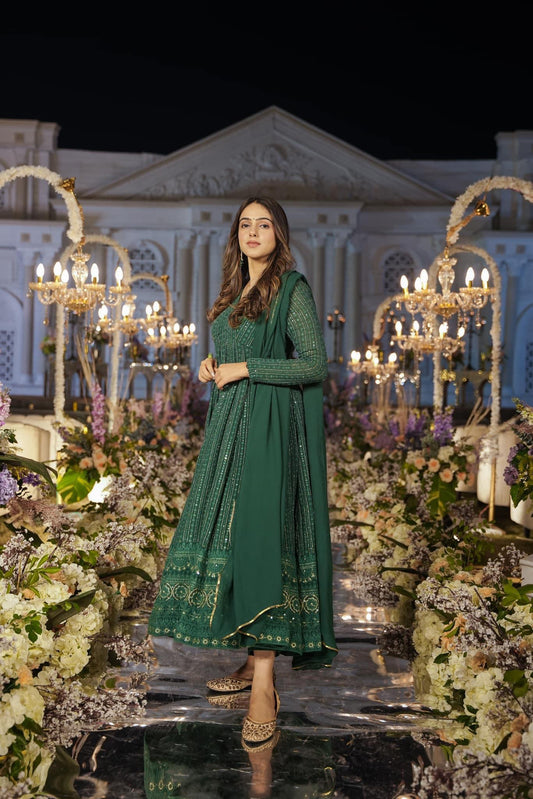
Embroidery Zari Sequins-work Faux Georgette Green Gown with Dupatta
- Regular price
- £77.28
- Regular price
-
£0.00 - Sale price
- £77.28
- Unit price
- per
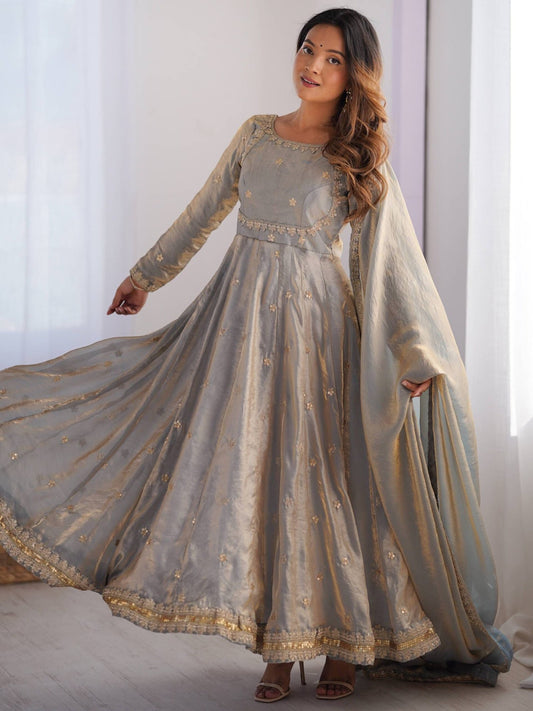
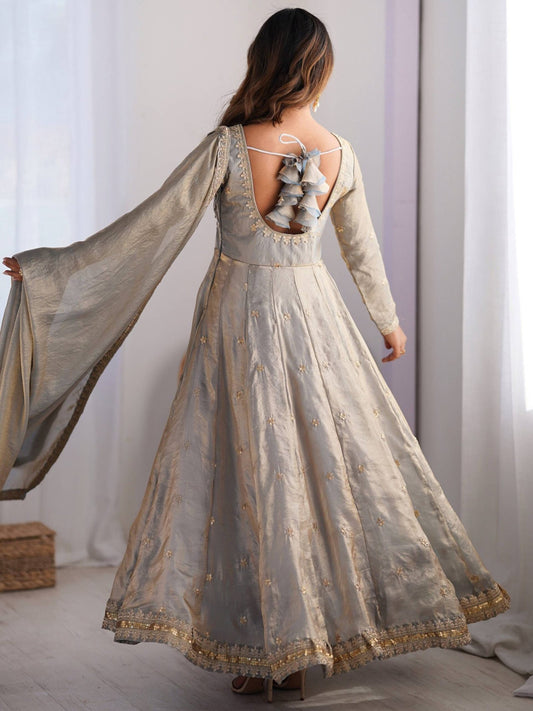
Fabulous Grey Sequins Work Silk Traditional Gown With Dupatta
- Regular price
- £70.00
- Regular price
-
£99.00 - Sale price
- £70.00
- Unit price
- per
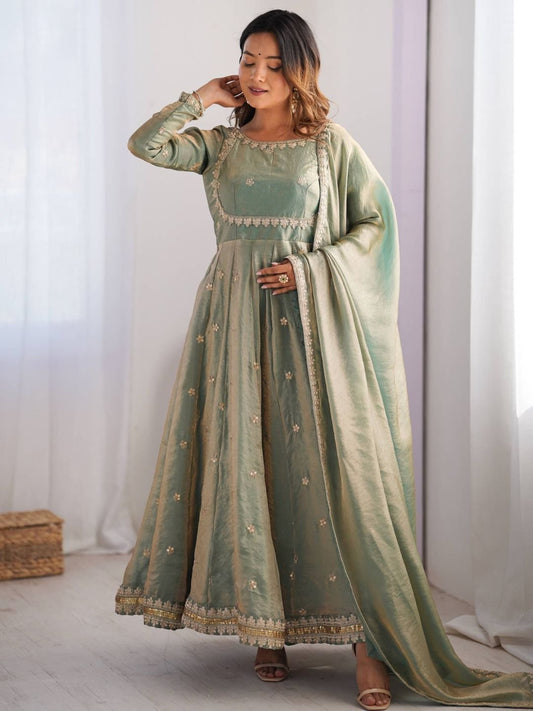
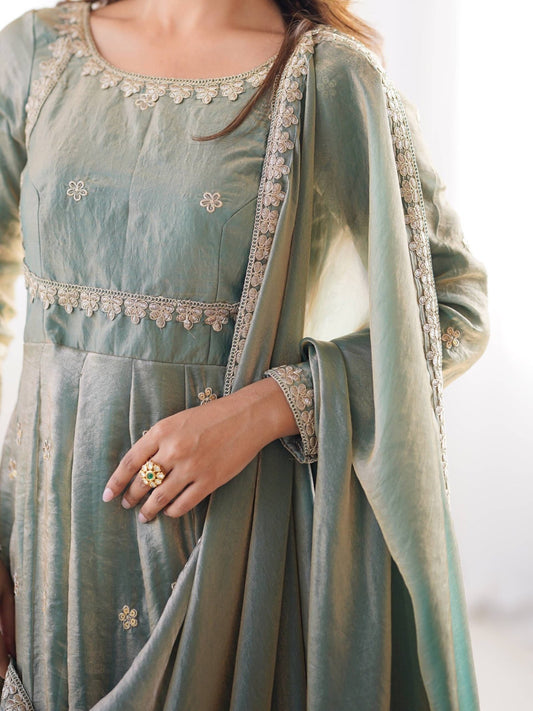
Dazzling Green Coding Work Silk Festive Wear Gown With Dupatta
- Regular price
- £76.52
- Regular price
-
£99.00 - Sale price
- £76.52
- Unit price
- per
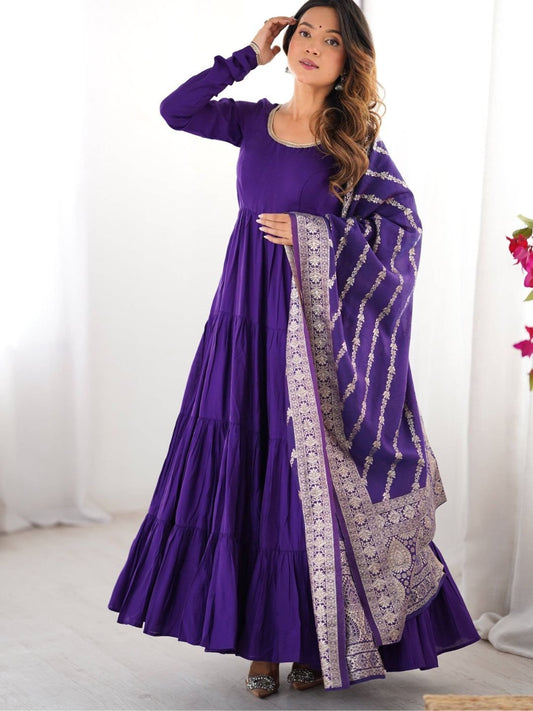
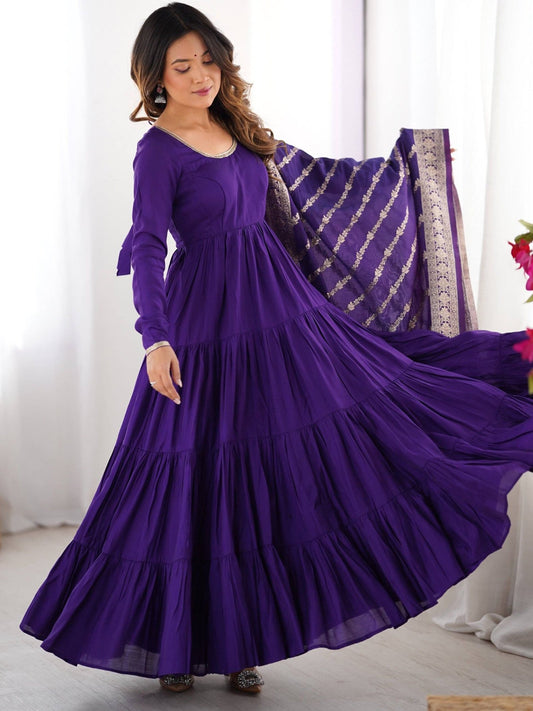
Classic Dark Purple Chanderi Silk Anarkali Suit With Banarasi Silk Dupatta
- Regular price
- £70.00
- Regular price
-
- Sale price
- £70.00
- Unit price
- per
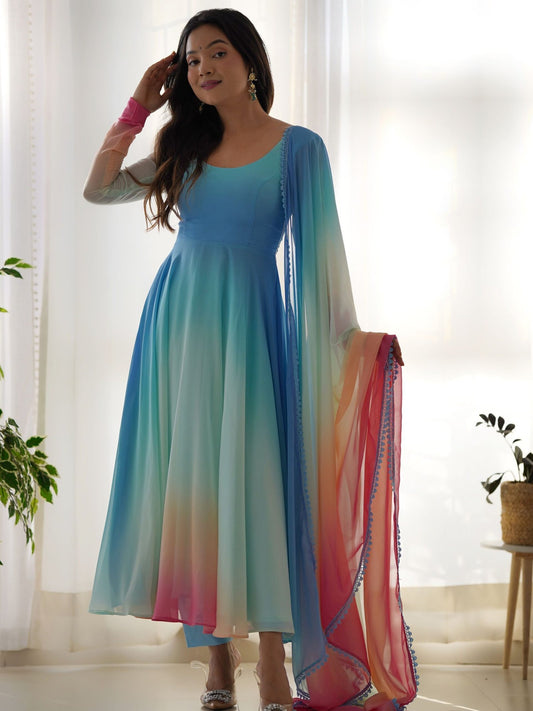
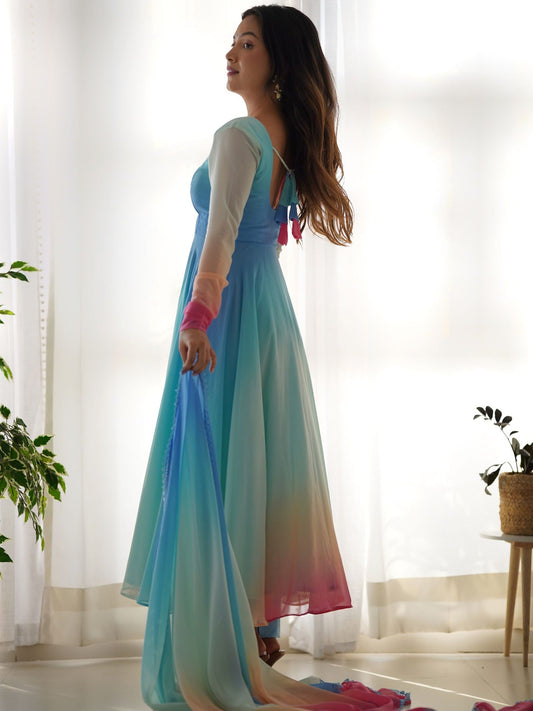
Awesome Multi-Color Georgette Readymade Anarkali Suit With Dupatta
- Regular price
- £69.26
- Regular price
-
£99.00 - Sale price
- £69.26
- Unit price
- per
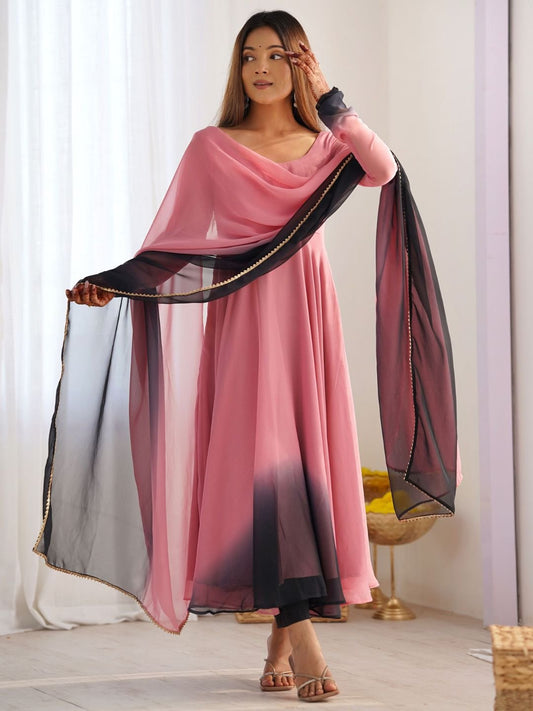
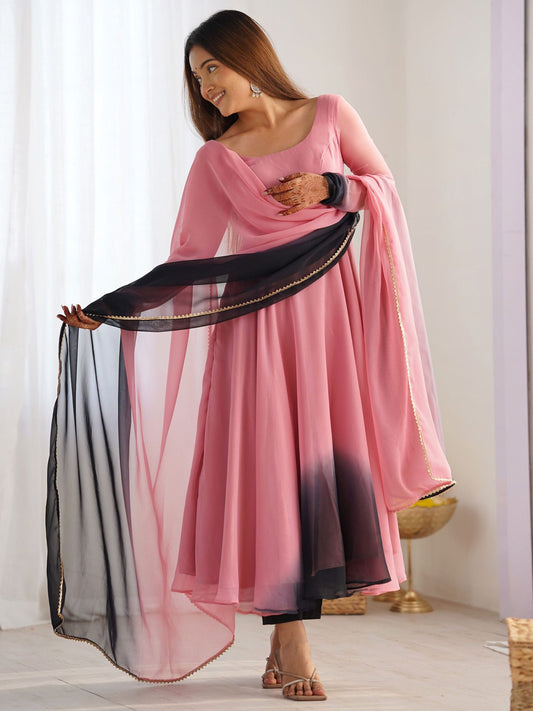
Alluring Pink Georgette Event Wear Anarkali Suit With Dupatta
- Regular price
- £69.26
- Regular price
-
£99.00 - Sale price
- £69.26
- Unit price
- per
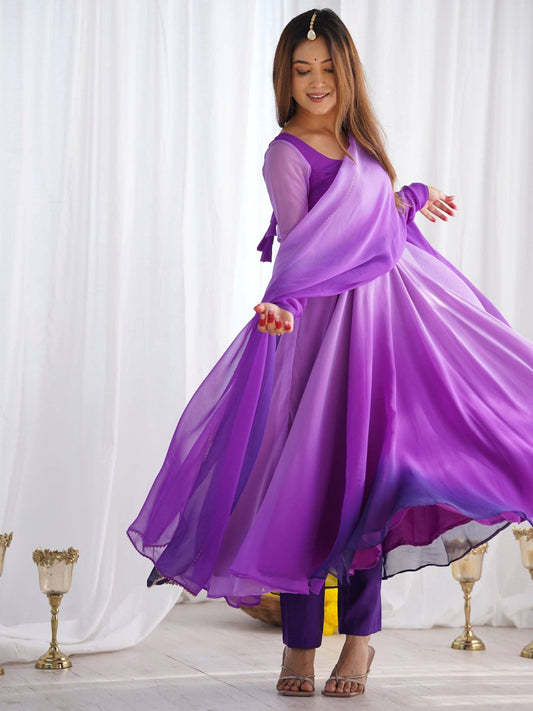
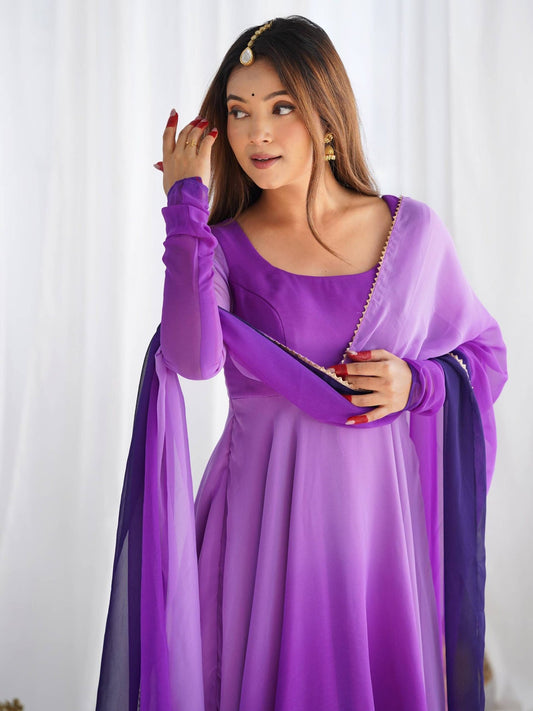
Awesome Purple Shaded Georgette Casual Wear Anarkali Suit With Dupatta
- Regular price
- £69.26
- Regular price
-
£99.00 - Sale price
- £69.26
- Unit price
- per
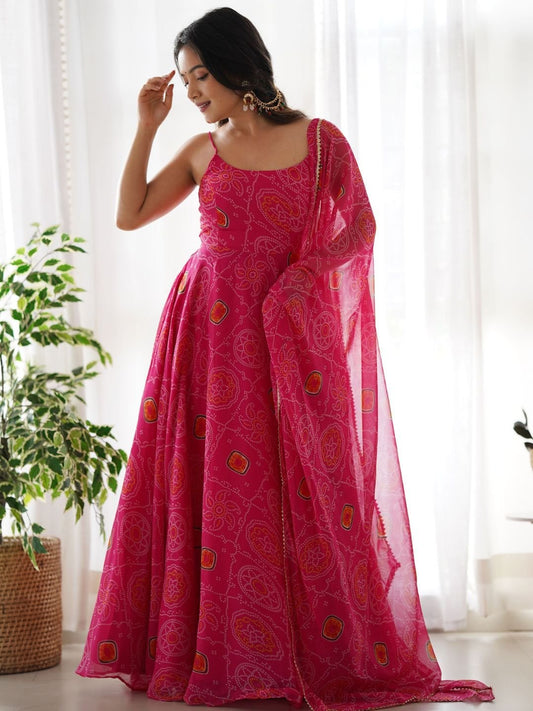
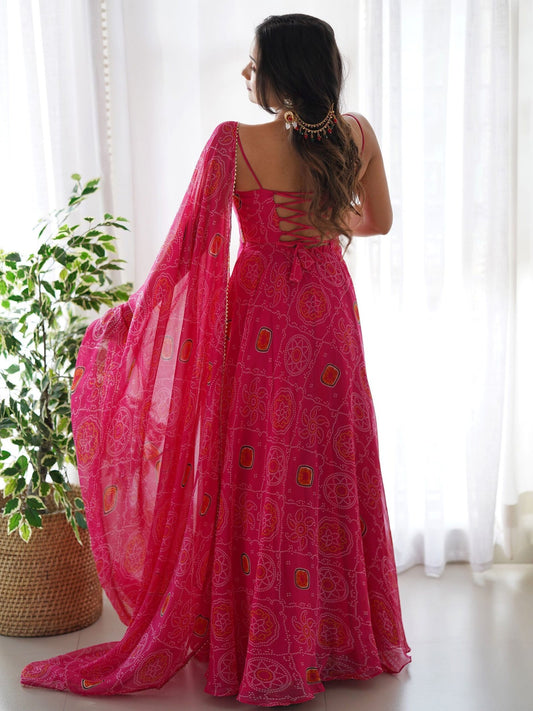
Pretty Pink Bandhani Printed Chiffon Festival Wear Gown With Dupatta
- Regular price
- £67.20
- Regular price
-
£99.00 - Sale price
- £67.20
- Unit price
- per
The anarkali has survived every fashion cycle since the Mughal courts of the 16th century. That's not because it's traditional in a conservative sense. It's because the silhouette solves a real problem: floor-length, flared from the waist, with a fitted bodice. It's comfortable, it moves beautifully, it photographs well from every angle, and it works across every body type more consistently than almost any other Indian ethnic silhouette. The fact that it also happens to carry one of the richest histories in Indian fashion is part of why it commands the price it does when made properly.
At Absolutely Desi, we curate anarkali dresses with a specific occasion in mind. Our curated sourcing gives us access to both the craft heritage versions and the contemporary fusion interpretations of this silhouette. What we've learned from doing this consistently is that the contemporary anarkali market is full of pieces that look like the real thing in a photograph and fall apart in person. We check for all of this before anything goes into the collection, drawing on our Indian ethnic wear expertise.
Types of anarkali dresses and what they're for
Floor-length embroidered anarkalis: The most formal version. Zari, threadwork, or Chikankari embroidery on a full-length flared silhouette. This is the anarkali for weddings, receptions, and significant festive occasions. A well-embroidered floor-length anarkali carries the same visual weight as a lehenga without the complexity of the lehenga blouse-skirt-dupatta system. For direct comparison, see our wedding lehengas online.
Georgette and chiffon anarkalis: The festive occasion piece. Lighter than embroidered silk, appropriate for Diwali evenings, sangeet functions, and festive parties. Georgette anarkalis drape beautifully and move well, creating the visual impact of an anarkali without the weight of a more embellished version.
Short and midi-length anarkalis: For office occasions, daytime functions, and contexts where a floor-length outfit is more than required. A midi-length anarkali in cotton or light fabric for a workplace function or casual festive gathering. The silhouette logic works at any length.
Velvet anarkalis: The winter wedding and formal evening piece. Visually extraordinary but require specific care. A practical note: Indian summers are harsh on velvet; store it properly and use it for the winter wedding season where it belongs.
Fusion and indo-western anarkalis: Contemporary silhouette interpretations. Cape anarkalis, anarkalis with structured blouse elements, and anarkali-inspired cuts in non-traditional fabrics. Also browse ethnic gowns for festive occasions and indo-western dresses for wedding for related styles in this direction.
How the anarkali fits differently from other silhouettes
The defining characteristic of the anarkali is the flare from the waist or chest rather than from the hip. This is what separates it from a maxi dress or a gown. The flare from the waist creates movement when walking and a consistent silhouette at rest. It's also what makes the anarkali universally flattering: the flare doesn't require any specific proportions to look correct.
The most important fit check in an anarkali is the bodice. Everything below the waist is forgiving; the flared skirt accommodates a range of sizes and shapes. Customised stitching for bodice measurements is available on most styles in our collection. For women who want an everyday anarkali option, our designer kurtis for women collection includes shorter anarkali-inspired silhouettes at accessible price points.
2026 trending styles in anarkali dresses
Off-shoulder and cold-shoulder anarkali blouses are gaining significantly in 2026. The anarkali silhouette lends itself to neckline experimentation better than most other ethnic forms. Emerald green and deep raspberry are the dominant colour directions this season in anarkali searches.
Practical notes on ordering
We offer free shipping worldwide on all anarkali orders. Customised stitching is available on most pieces, particularly for bodice fit adjustments. Our Buy 2 Get 25% Off offer applies across the anarkali collection. WhatsApp styling advice is available for occasion-specific recommendations before ordering.
FAQ
What is an anarkali dress?
An anarkali dress is a floor-length or mid-length Indian ethnic outfit characterised by a fitted bodice and a dramatic flared skirt that begins at the waist or chest. Named after a legendary Mughal court dancer, the anarkali is one of the oldest continuous silhouettes in Indian fashion and remains one of the most occasion-appropriate across weddings, festive events, and formal functions. It is worn with a churidar or palazzo trouser underneath the flared skirt.
What is the difference between an anarkali and a lehenga?
A lehenga is a three-piece outfit consisting of a separate blouse (choli), a pleated skirt, and a dupatta. An anarkali is a single-piece long kurta with a flared silhouette, usually worn over churidar trousers. The anarkali is simpler to wear and style because it's one piece rather than three coordinated pieces. Both are appropriate for wedding and festive occasions; the choice depends on the specific function and personal preference.
Which anarkali is right for a wedding as a guest?
For a wedding ceremony as a guest, a floor-length embroidered anarkali in silk or georgette in jewel tones is appropriate. For a reception evening, a lighter embellished georgette anarkali works well. Avoid heavily embellished colours that compete with the bridal outfit; jewel tones and festive colours rather than reds and bridal pinks are the right direction for guests.
Where can I buy embroidered anarkali dresses online with free shipping?
Absolutely Desi offers a curated range of anarkali dresses including floor-length embroidered styles, georgette festive anarkalis, and contemporary fusion anarkalis, with free shipping worldwide. Customised stitching is available on most styles. Our Buy 2 Get 25% Off offer applies across the collection.
Check Out Our Collection


- Choosing a selection results in a full page refresh.